
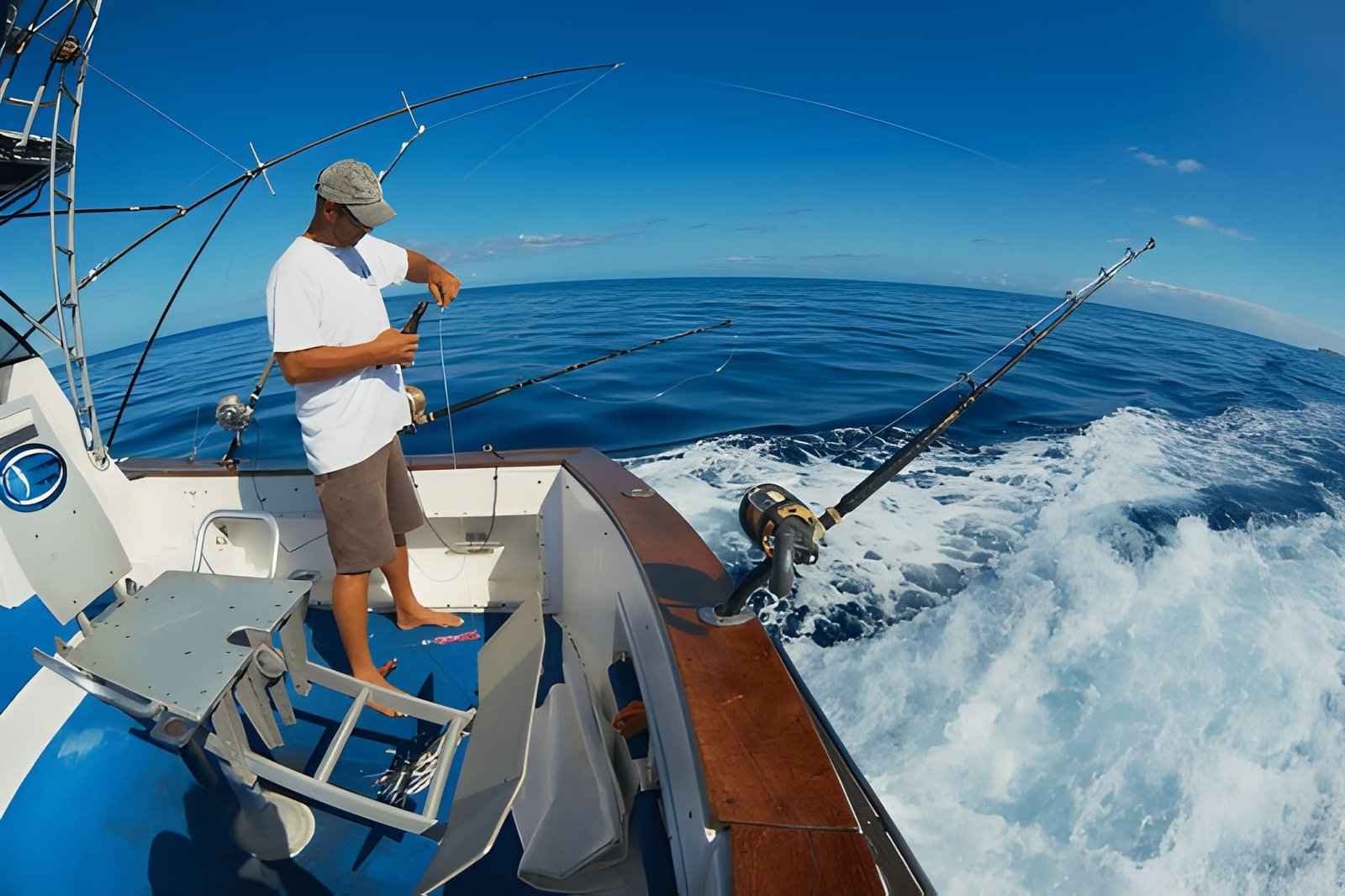
There’s a specific kind of excitement that kicks in the night before an island fishing charter. The tackle bag is packed. The weather app has been refreshed twelve times. Someone in the group insists they’re definitely catching the biggest tuna onboard. And somewhere between the anticipation and the caffeine, reality hits: offshore fishing is less about luck and more about preparation.
Booking one of the many available offshore charters San Diego options can turn a regular vacation into a full-scale ocean adventure. But before you step onto the dock at sunrise, there are a few things worth knowing if you want the trip to feel more “epic fishing story” and less “sunburned regret.”
Know What Kind of Charter You’re Booking
Not all fishing charters are built the same. Some focus on half-day coastal trips targeting rockfish or calico bass. Others head far offshore chasing yellowfin tuna, dorado, or marlin around island structures and temperature breaks.
The first question to ask isn’t “How big are the fish?” It’s “What experience do I actually want?”
A few things to clarify before booking:
- Trip duration
- Target species
- Group size
- Included gear and bait
- Fish cleaning services
- Food and drink policies
Many experienced anglers on Reddit recommend asking charters directly about gear quality, tipping expectations, and onboard rules before departure. Bringing extra cash, sunscreen, snacks, and waterproof bags comes up repeatedly among offshore regulars.
Weather Matters More Than You Think
People new to offshore fishing often focus entirely on fish reports. Veterans tend to obsess over wind direction and swell forecasts instead.
That’s because rough water changes everything. It affects travel time, comfort, safety, and even where fish hold offshore. Some seasoned anglers note that wind and swell patterns matter more than air temperature when planning productive offshore days.
If you’re prone to seasickness, don’t gamble. Start motion sickness medication the night before, stay hydrated, and avoid showing up dehydrated after a night out. Offshore boats don’t slow down because someone underestimated Pacific swells.
And yes, everyone thinks they “don’t get seasick” until they do.
Dress for Exposure, Not the Dock
The harbor can feel warm and calm at 6 a.m. Offshore conditions are a different story entirely.
Even sunny island trips bring heavy wind exposure, salt spray, and long hours under direct UV reflection from the water. Polarized sunglasses, lightweight UV shirts, non-slip shoes, and layered clothing make a massive difference during long runs offshore.
According to NOAA Fisheries, proper preparation and gear selection improve both safety and fishing success during recreational trips. That includes using appropriate tackle, protective equipment, and minimizing unnecessary stress on fish during catch-and-release situations.
Translation: bring the right gear, and don’t show up in flip-flops expecting a professional-grade fishing experience.
Learn Basic Offshore Etiquette
A crowded boat becomes miserable fast when even one person ignores basic etiquette.
Some unwritten rules matter more than others:
- Listen to the captain and deckhands
- Don’t cast over someone else’s line
- Stay aware when fish are running
- Keep gear organized
- Tip the crew appropriately
Deckhands work hard—untangling lines, rigging bait, cleaning fish, and helping inexperienced anglers all day long. On most offshore charters, tipping is considered standard practice if the crew works hard to keep the trip productive.
It’s also smart to learn a few basic fishing terms before boarding. Even simple concepts like trolling, casting, or bait presentation help first-timers feel less overwhelmed once the action starts.
Sustainable Fishing Isn’t Optional Anymore
Modern offshore fishing has shifted dramatically toward conservation-minded practices. That’s a good thing.
Organizations like NOAA Fisheries recommend using circle hooks, reducing unnecessary fish handling, and practicing responsible catch-and-release techniques to protect fish populations and marine ecosystems.
Responsible charters usually emphasize:
- Following size and bag limits
- Proper release techniques
- Minimizing wildlife interactions
- Preventing marine debris
- Using sustainable tackle practices
Even experienced captains recognize that healthy fisheries are what keep offshore trips productive year after year.
The Best Trips Start Before the Boat Leaves
There’s a reason seasoned anglers treat preparation like part of the adventure. Offshore fishing isn’t just dropping bait into open water and waiting for magic to happen. It’s timing, planning, weather awareness, teamwork, and patience all rolled together somewhere between the harbor and the horizon.
The right charter helps, of course. Experienced crews understand local island conditions, seasonal migrations, and how to adapt when fish decide not to cooperate.
But the anglers who enjoy these trips most usually arrive prepared—not just excited.
And somewhere out there beyond the coastline, with the engines humming and rods bent against the Pacific, preparation suddenly feels completely worth it.
About the Author