With energy costs rising, and nothing seemingly slowing that cost down, it’s time to revamp and restructure. The good news is that energy-efficient design has made leaps and bounds since you’ve likely last investigated, meaning there are plenty of opportunities to reduce costs while upgrading your property’s look.
These top tips are going to transform your space, and should be considered and checked out regardless of whether you make the investment or not. It’s always a good idea to have a clear understanding of what’s going on with your home, so use this checklist to get started:
Check Your Doors
Your doors are entryways, which, naturally, means they’re one of the draftiest spots in the house. If you want to keep your home at a consistent internal temperature, then it’s time to investigate. Check for drafts that come in through your door, or get a temperature visualization tool to see just how much energy you are losing through your doors.
If there is a draft or your doors just aren’t doing their job of keeping the cold or heat in, it’s time to upgrade to new entry doors. You can pair your new doors with accompanying windows to brighten the space as well, allowing you to better insulate your home, brighten the space, and, of course, protect your family.
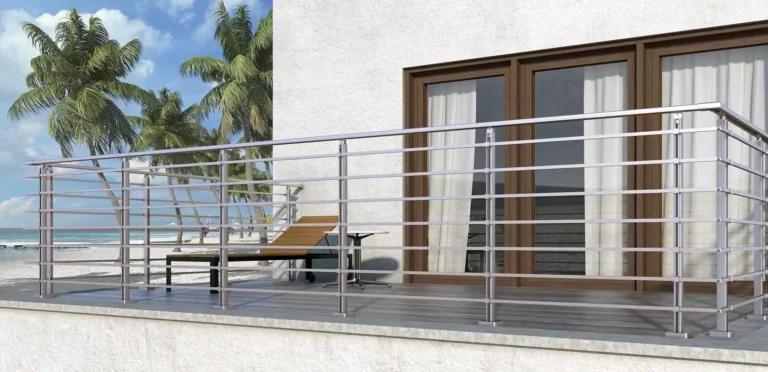
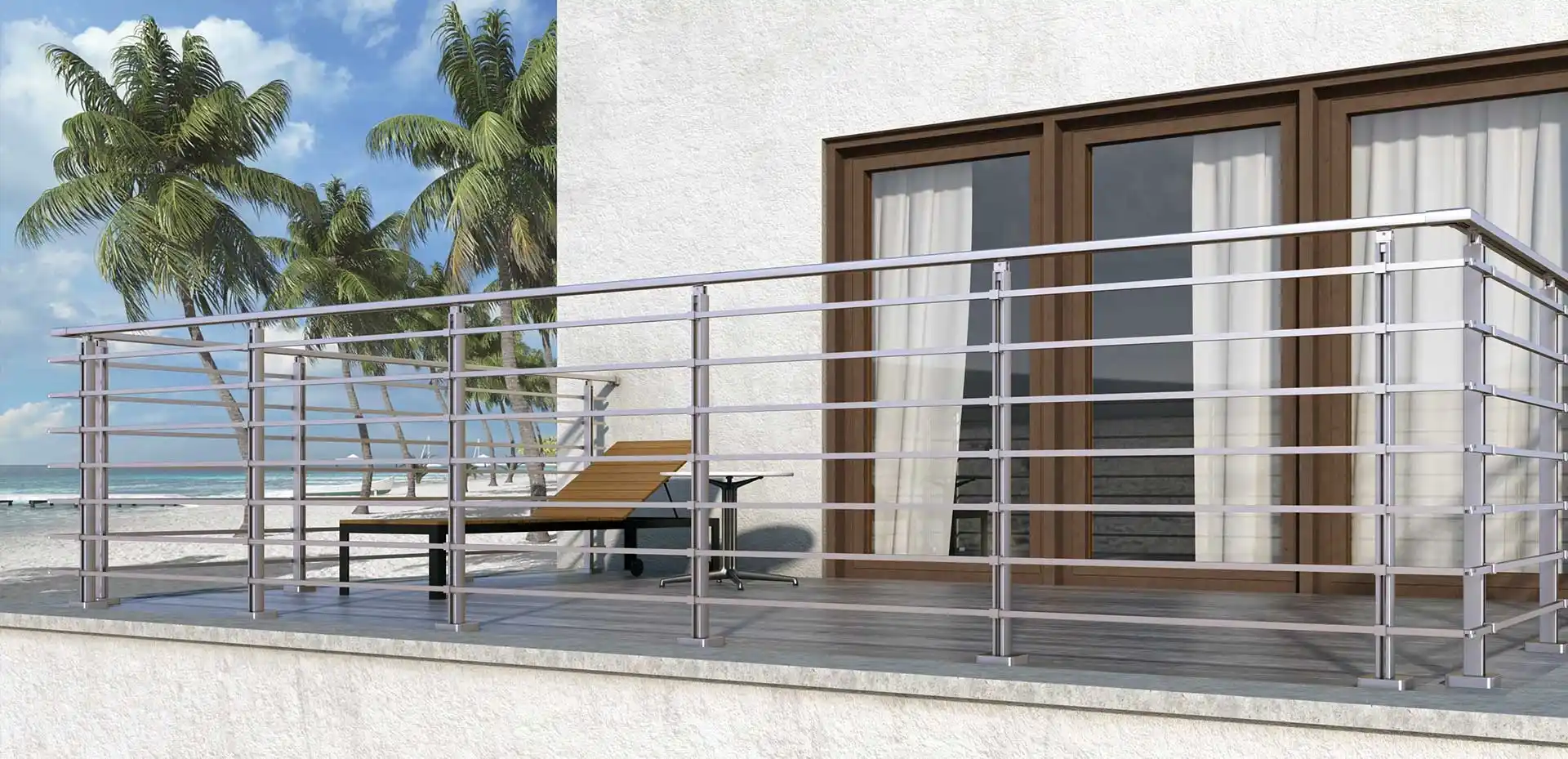
If you do decide to upgrade your door, of course, try to go the full mile and boost your entire entryway with new aluminum railings, lights, and a fresh coat of paint – your curb appeal will thank you.
Check Your Windows
The same goes for your windows. Double-pane glass repels those outdoor conditions with an inert gas between the two panes. Over time, this can leak out, often requiring you to replace them to maintain the same level of protection and energy efficiency.
You’ll know your windows need to be replaced if there’s:
- Fog or condensation between the two panes of glass
- Water damage around the casement
- Damage to the windows
Test Your HVAC System
Your heating, cooling, and water heaters all need to be checked and tested. In general, if your water heater or other HVAC system is over 15 years old, it’s likely time to get a replacement. New water heaters and other systems are far more efficient at heating or cooling your home, allowing you to save big, instantly.
Adjust Your Settings
There are so many ways that you can change the settings of your home to lower your bills. If you have a smart home system, for example, you can change the heating and cooling of your home based on when you are actually in it. With the right smart bulbs or other control, you can have lights and other non-essential electronics turn off when you’re away, and so on. Other options include lowering the top temperature of your hot water, to minimize how much energy your home is using to heat your water tank.
Shop Around for Energy Providers
One last tip before we let you go, and that’s to shop around for energy and utilities providers. Sometimes you can end up on a bad tariff that just costs, whereas swapping can help you save. By being prepared to shop around and switch, you are likely to get a better deal than you currently have.
About the Author