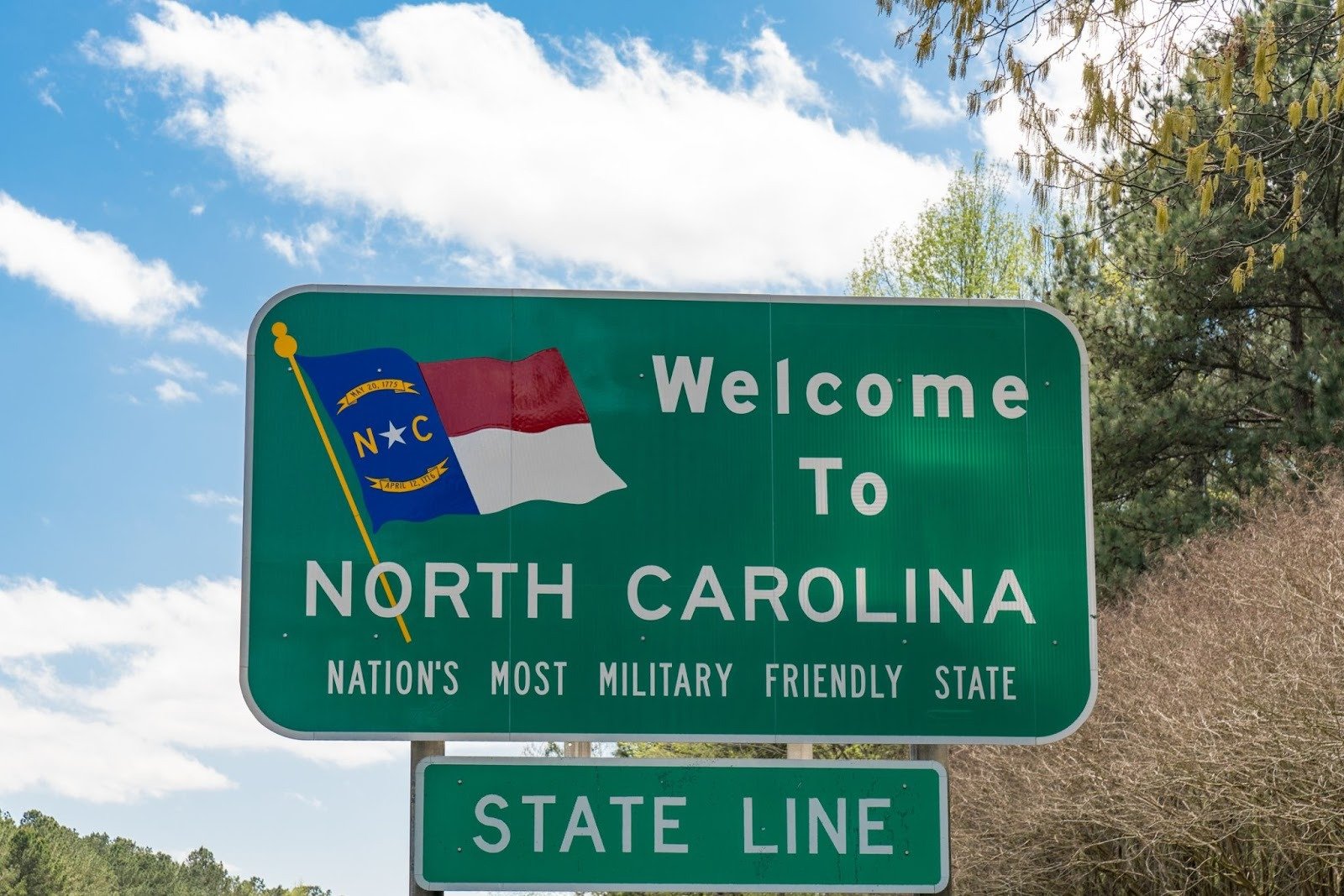
North Carolina offers a dynamic and evolving grant environment shaped by its mix of fast-growing urban centers, strong rural communities, and a thriving research and education sector. From the innovation hubs of the Research Triangle to agricultural regions and coastal communities, funding opportunities across the state are designed to support both economic advancement and community well-being. Understanding how to find grants in North Carolina requires a targeted approach that aligns with regional priorities, industry strengths, and population needs.
Focus on Education, Research, and Workforce Development
One of the defining features of North Carolina’s funding landscape is its strong connection to education, research, and workforce development. With major universities and research institutions playing a central role, many grants are focused on innovation, technology, healthcare, and STEM initiatives. At the same time, there is substantial funding dedicated to rural development, agriculture, small business growth, and community health—particularly in underserved areas. This dual focus creates opportunities for a wide range of applicants, but also requires a clear understanding of where your project fits within the state’s priorities.
Identifying Key Funding Sources
To begin finding grants in North Carolina, it is important to identify the primary sources of funding. A significant portion of grants comes from private foundations and regional funders that are deeply invested in local communities. These organizations often prioritize projects that demonstrate measurable impact, collaboration, and long-term sustainability. Unlike broader national programs, many North Carolina-based funders look closely at how initiatives will directly benefit specific populations or geographic areas within the state.
Exploring State-Administered Grant Programs
In addition to private funding, North Carolina offers a variety of state-administered grant programs. These grants are frequently tied to strategic initiatives such as economic development, education improvement, environmental conservation, and disaster recovery—particularly in coastal regions affected by hurricanes. State grants may involve more structured application processes and reporting requirements, but they also provide significant funding opportunities for organizations capable of managing larger-scale projects.
Using Centralized Platforms to Find Grants
For those seeking a more efficient way to locate funding, using a centralized platform such as The Grant Portal can be highly effective. These platforms compile thousands of grant opportunities, allowing users to filter by eligibility, category, and location. This is particularly useful in North Carolina, where many grants are region-specific or tied to particular industries. Identifying recurring grants through these tools can also help applicants build a long-term funding strategy rather than relying on one-time opportunities.
Understanding Regional Funding Differences
Another important aspect of finding grants in North Carolina is recognizing the geographic diversity of funding priorities. Urban areas such as Raleigh, Durham, and Charlotte often offer grants for nonprofits focused on innovation, entrepreneurship, housing, and public health. In contrast, rural regions may emphasize agriculture, infrastructure, education access, and small business support. Coastal communities may receive targeted funding for environmental protection and disaster resilience. Tailoring your search and application to reflect these regional differences can significantly improve your chances of success.
Meeting Eligibility Requirements
Eligibility requirements vary widely depending on the funding source but are typically aligned with the funder’s mission and goals. Nonprofits are generally required to maintain 501(c)(3) status and demonstrate a clear connection to the communities they serve. Small businesses may need to meet criteria related to size, industry, or growth potential. Individuals applying for grants—especially in research, education, or the arts—must present well-defined proposals that highlight both feasibility and impact. Careful review of eligibility criteria ensures that applicants focus on opportunities that match their qualifications.
Preparing Strong Grant Applications
When preparing a grant application in North Carolina, it is important to combine clarity with purpose. Funders often look for proposals that clearly define a problem, present a practical solution, and outline measurable outcomes. Including supporting data, realistic budgets, and implementation timelines can strengthen an application. In many cases, demonstrating partnerships with local organizations, universities, or community groups can also enhance credibility and show a broader level of support.
Importance of Timing and Deadlines
Timing is a critical component of grant success in North Carolina. Many funding opportunities follow annual or cyclical schedules, and missing a deadline can delay funding for an extended period. Establishing a grant calendar and preparing materials in advance can help applicants stay organized and submit stronger proposals. Early preparation also allows time for revisions and improvements, which can make a significant difference in competitive funding environments.
Building Relationships and Engagement
Engagement and relationship-building are also valuable in North Carolina’s grant ecosystem. Participating in workshops, attending informational sessions, and connecting with local funders can provide insight into funding priorities and upcoming opportunities. Building these relationships over time can improve visibility and increase the likelihood of success in future applications.
Adopting a Diversified Funding Strategy
A diversified funding strategy is essential for long-term sustainability. Rather than relying on a single grant, applicants should pursue multiple opportunities across different sectors, including private foundations, state programs, and corporate funding. This approach helps reduce risk and creates a more stable financial foundation for ongoing initiatives.
Conclusion
In conclusion, finding grants in North Carolina requires a focused and informed strategy that reflects the state’s diverse funding priorities. By leveraging centralized search tools, staying informed about state and regional opportunities, understanding eligibility requirements, and submitting well-prepared applications, nonprofits, businesses, and individuals can successfully navigate the grant landscape. With persistence and the right approach, North Carolina offers a wide range of funding opportunities to support innovation, community development, and long-term growth.
About the Author