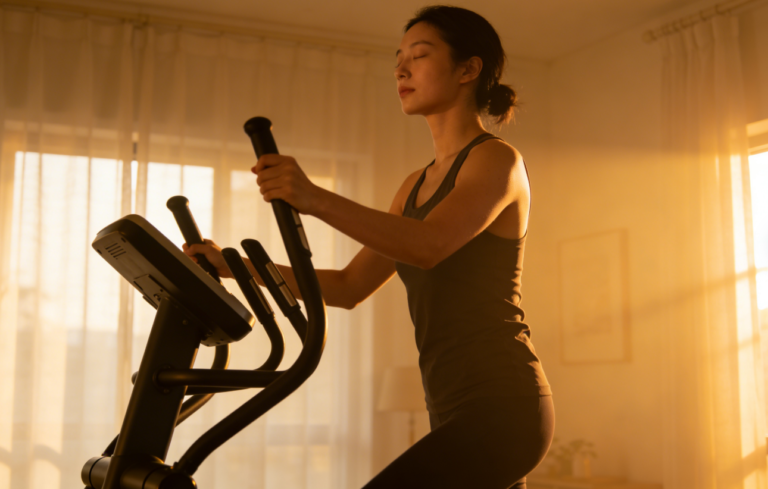
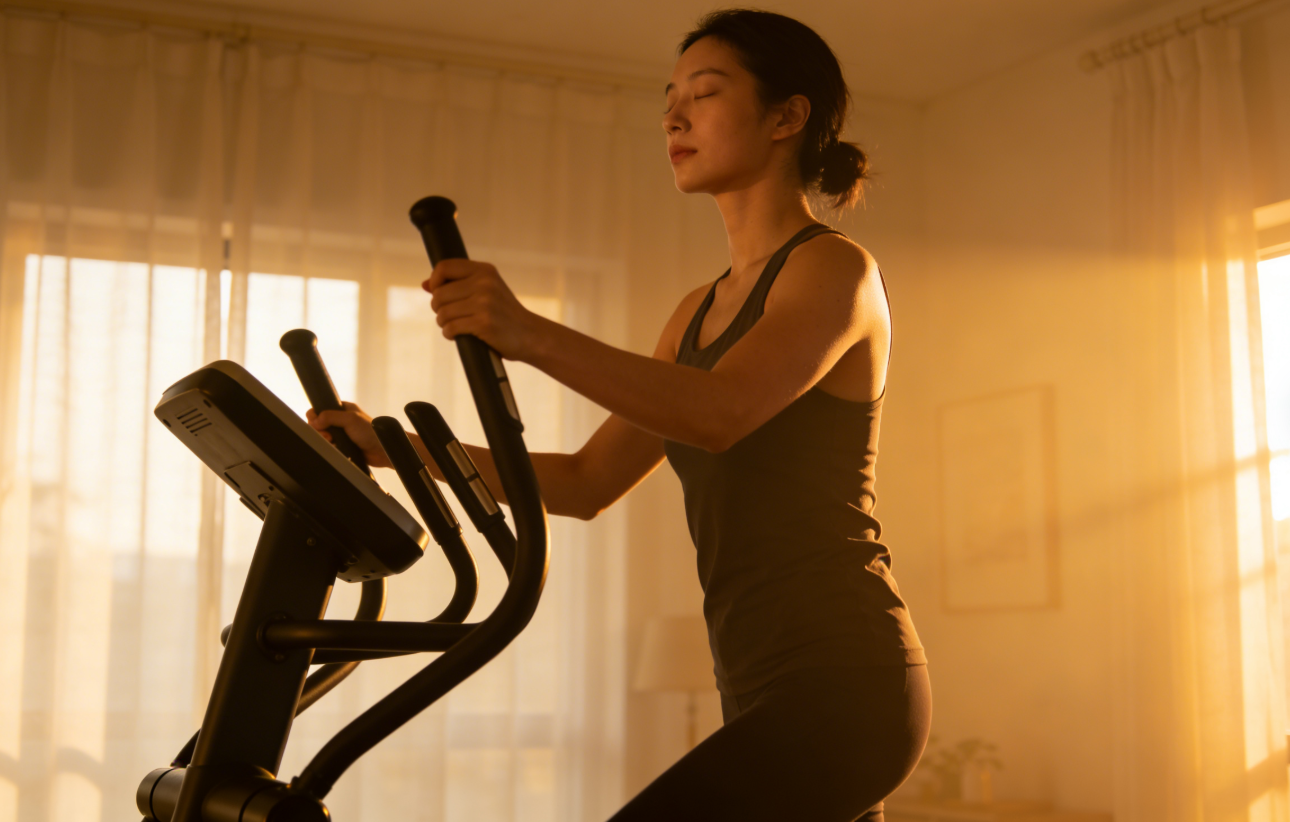
In the contemporary landscape of health and wellness, the division between cognitive stillness and physical exertion is increasingly being challenged. Traditional views often relegate meditation to the cushion and exercise to the weight room. Yet, a more integrated perspective—somatic mindfulness—suggests that the most profound neurological benefits occur when the two are combined.
This synergy explores the concept of “movement as meditation,” where repetitive, rhythmic physical activity serves as the primary vehicle for mental decompression. By deliberately merging physical exertion with focused breathing, individuals can forge a “Kinetic Sanctuary”—an internal space where holistic resilience is built, and psychological recovery occurs simultaneously.
Somatic Unity: Redefining the Meditative State
The practice of mindfulness is fundamentally about the intentional regulation of attention. While stationary meditation remains a vital tool, it can often feel inaccessible in an era defined by sensory overload, digital fatigue, and high-functioning anxiety. For a hyper-active mind, asking the body to sit perfectly still can actually induce more stress than it relieves.
Movement provides a tangible, physical anchor for the racing mind. When the body engages in a predictable, rhythmic sequence, the brain no longer needs to process complex, unpredictable external stimuli. Instead, it filters out peripheral “noise,” facilitating a seamless transition into what psychologists refer to as the “flow state.” In this state, the boundaries between the physical self and the action begin to blur, allowing the nervous system to shift away from the sympathetic “fight-or-flight” response and settle deeply into a parasympathetic state of restoration.
The Neurological Power of Rhythmic Cadence
One of the most effective physiological triggers for this meditative state is steady-state cardiovascular exercise. Unlike high-intensity interval training, which demands constant cognitive monitoring of timers, rep counts, and sudden intensity shifts, steady-state movement allows the mind to turn entirely inward.
Integrating a cardio elliptical workout into your daily routine provides an ideal platform for this mind-body integration. The continuous, gliding path of the limbs creates a neurological metronome. Because the motion is fluid and entirely impact-free, it minimizes the jarring physical feedback that would otherwise break a meditative focus. The cyclical nature of the stride perfectly mirrors the cyclical nature of traditional breathwork. Over time, this specific form of training ceases to be a mere physical chore; it becomes an active recalibration tool, fostering a sense of profound equilibrium.
Constructing the Sanctuary: The Role of Sensory Deprivation
However, the success of a moving meditation practice is heavily dependent on the sensory quality of your immediate environment. To achieve true somatic integration, you must aggressively eliminate external friction. Visual chaos, mechanical clatter, or an unstable training surface will instantly shatter a flow state, dragging the mind out of its sanctuary and back into the stress of the physical world.
Therefore, engineering a silent, highly controlled training environment is not a matter of luxury; it is a psychological prerequisite. The physical tools used for exercise must be designed with the exact same intentionality as the mindfulness practice itself. They must facilitate focus, not fight against it.
Hardware as a Meditative Anchor
When searching for the best home equipment to support this practice, the evaluation criteria must shift from pure mechanical resistance to sensory feedback. Modern fitness hardware must prioritize acoustic stealth and absolute structural stability, allowing the user to completely forget the machine beneath them and focus entirely on the rhythm of their breath.
This philosophy of “sensory-conscious design” is deeply reflected in the systems engineered by FED Fitness. By focusing on advanced magnetic resistance and vibration-dampening materials, these tools are built to protect your tranquil atmosphere. The high-precision engineering ensures that the motion remains perpetually smooth and whisper-quiet, providing an uninterrupted connection between the body and the mind. By utilizing this caliber of hardware, individuals secure a physical infrastructure that fiercely protects their need for focus, ensuring the environment remains a genuine sanctuary.
Conclusion: Finding Equilibrium in Motion
The path to holistic health is found in the synthesis of the physical and the psychological. When we elevate movement from a physical obligation to a form of active meditation, we unlock a level of mental resilience that far exceeds what can be achieved through traditional exercise alone.
By prioritizing sensory regulation and selecting tools that honor the need for silence and stability, you create the exact conditions required for somatic unity. Ultimately, the goal is to find equilibrium—a state where the body is engaged, the environment is harmonious, and the mind is entirely at peace. In the rhythmic, unbroken cycle of a cardio elliptical workout, we discover the blueprint for a life lived in profound balance.
About the Author