
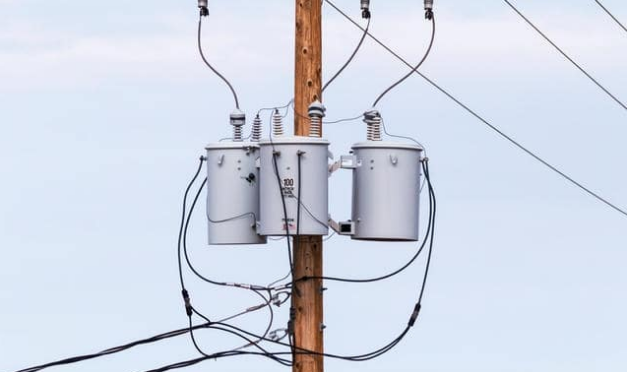
The contemporary organizations are based on electricity systems that promote continuity, planning and financial discipline. Single-phase power is used in many facilities as power is sometimes initiated there by utility. As time goes, though, equipment requirements rise, and pressure on operations rises. Three-phase input is frequently needed to operate the motors, processing units and regulated machine within the design limits. At this point, the leadership considers systems that transform the single phase power into three phase power. The business relevance of this topic is that the quality of energy influences the output, risks, and cost structure. By matching the power capability to the demand of operations firms secure assets and enhance decision control. Why do numerous organizations today evaluate such a conversion as a strategic action?
Business Conditions That Cause Organizations to convert single phase power to three phase power.
Organizations tend to develop infrastructure in accordance to short-term requirements. Single-phase power is used to support simple lighting, office equipment and small machines. With the growth of operations, bottlenecks emerge. Suppliers of equipment often indicate that the equipment uses three-phase to have the equipment run smoothly and predictably. In converting single-phase power to three-phase power in organizations, these limitations are overcome without necessarily seeking new utility hook-ups. This strategy will decrease the need to get external approvals and minimize delays in projects.
In modern industrial ecosystems, converting single phase supply into three phase capability is a strategic maneuver. A Rotary Phase Converter orchestrates this transition with electromechanical elegance, enabling legacy equipment to thrive. Short gains follow. Long-term, enterprises achieve operational continuity, voltage symmetry, and fiscal prudence—turning electrical constraint into scalable advantage.
Cost wise, leadership is concerned with accuracy of planning and stability. Three phase systems equalize electric loads over conductors. This equilibrium decreases the present stress and minimizes disordered consumption. Whereas conversion systems are associated with capital cost, companies tend to compensate this with decreased downtime. Predictable behavior of energy is appreciated by the finance teams as it can be used to make valid predictions. The uninterrupted power supply means that the departments do not incur unexpected costs of repairs and lost production.
The decision is also determined by the operations management. The devices that are linked with three-phase power do not start abruptly and keep the same pace. The uniformity of this lowers mechanical strain. Maintenance teams then move towards emergency repair to scheduled maintenance. The transformation of the power supply results in the organizations developing an organized maintenance cycle. This organization promotes safety compliance and labor planning. Besides, managers with confidence on the ability to deliver schedules.
Rationality is enhanced through strategic planning. Organisations can hardly envisage standing still. The addition of machinery or the operation of more hours are also brought up in growth plans. The 3 phase compatibility expands the range of equipment available and makes sourcing easier. Conversion early helps the leadership to avoid repeated changes in electricities. When companies transform single-phase power to three-phase power, they make the current operations consistent with the prospective purpose. Oh, that alignment helps to promote continuity in departments.
The conversion of Single Phase Power to Three Phase Power by Electrical Systems.
Single-phase power to three-phase power conversion systems are based on established electrical techniques. Engineers make these systems to produce three voltages, which are equally spaced. The goal is simple to provide constant and even power to satisfy equipment needs. System options are evaluated by organizations according to the size of load, duty cycle and control expectations. This analysis makes sure that the solution is beneficial to operational objectives.
Rotary and electronic systems are frequently found in the commercial and industrial applications. Rotary systems are based on mechanical rotation in order to create extra phases. These systems work with high base loads and uncomplicated conditions. The phase output of electronic systems is produced by using solid state components in controlled switching. These designs embrace fine control and small designs. Reliability, maintenance demand, and efficiency are all analyzed by the decision-makers before they can be chosen.
Planning on implementation needs to be coordinated. Electrical crews evaluate site layout, safety regulations and standards of compliance. It is essential to make correct sizing. A small system will be vulnerable to overload. Unnecessarily large system will be expensive and not worthwhile. In the process of installation, the teams plan work in order to reduce disruption. Project managers keep track of developments and address problematic situations promptly.
Performance is tested once it is installed. Through teams, one is checking the balance of voltage and the response to a load. When systems are specifications, managers are happy to give full operation. Monitoring is an on-going process on performance data. Using trusted data, teams bring the usage to bear and schedule service work. Organizations transform single phase power into three phase power with operational control through meticulous design and rigorous implementation.
Operational and Strategic Results following conversion of single phase power to three phase power.
Once the organizations have changed single-phase power into three-phase power, the outcomes are seen throughout the operations. The performance of equipment is first improved. Motors are designed to work with constant torque and speed regulation. This conduct assists in output objectives and stability of the process. In manufacturing, the steady working environment safeguards the level of quality. It aids in response commitments in service settings.
The risk management is also enhanced. Equalized power minimises heat and electrical pressure. Elements are more durable in such situations. Maintenance teams are then concerned with inspection and planning. This transition is beneficial to safety outcomes and less interruption. Compliance teams are also enhanced. Constant power is conducive to compliance to technical requirements and inspection.
The strategic advantages are not limited to the day-to-day activities. Three stage availability makes decisions easier when the leadership is planning expansion. New equipment is integrated without redesign. There is increased access to a supplier base by procurement teams. Training programs are unified with one power structure. These assist in making growth initiatives less complex.
The case of operation is validated by financial review. Although conversion systems involve initial investment, analysis in the long-term can be positive. Decreased downtimes, decreased repair cost, and increased equipment life enhance cost management. Investments that enable predictability are important to the executives. Energy systems are resilient to the organization when they support business objectives.
Once an organization transforms the single-phase power into three-phase power, it indeed allows a single phase to transform into three phases of business development.
About the Author