Missing or badly damaged teeth affect more than appearance — they affect chewing, speech, and confidence. Dental implants are widely regarded as the most durable way to replace them, but the cost in Australia leads some people to look at combining treatment with travel overseas, sometimes marketed as a “dental holiday.”
This guide covers how implants actually work, what “one-day” implants really mean, and the practical, honest considerations if you’re thinking about having treatment done while travelling.
What Are Dental Implants?
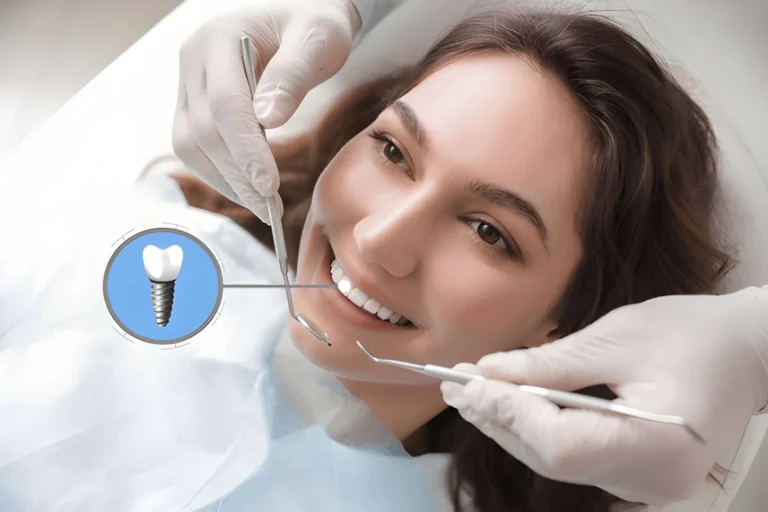
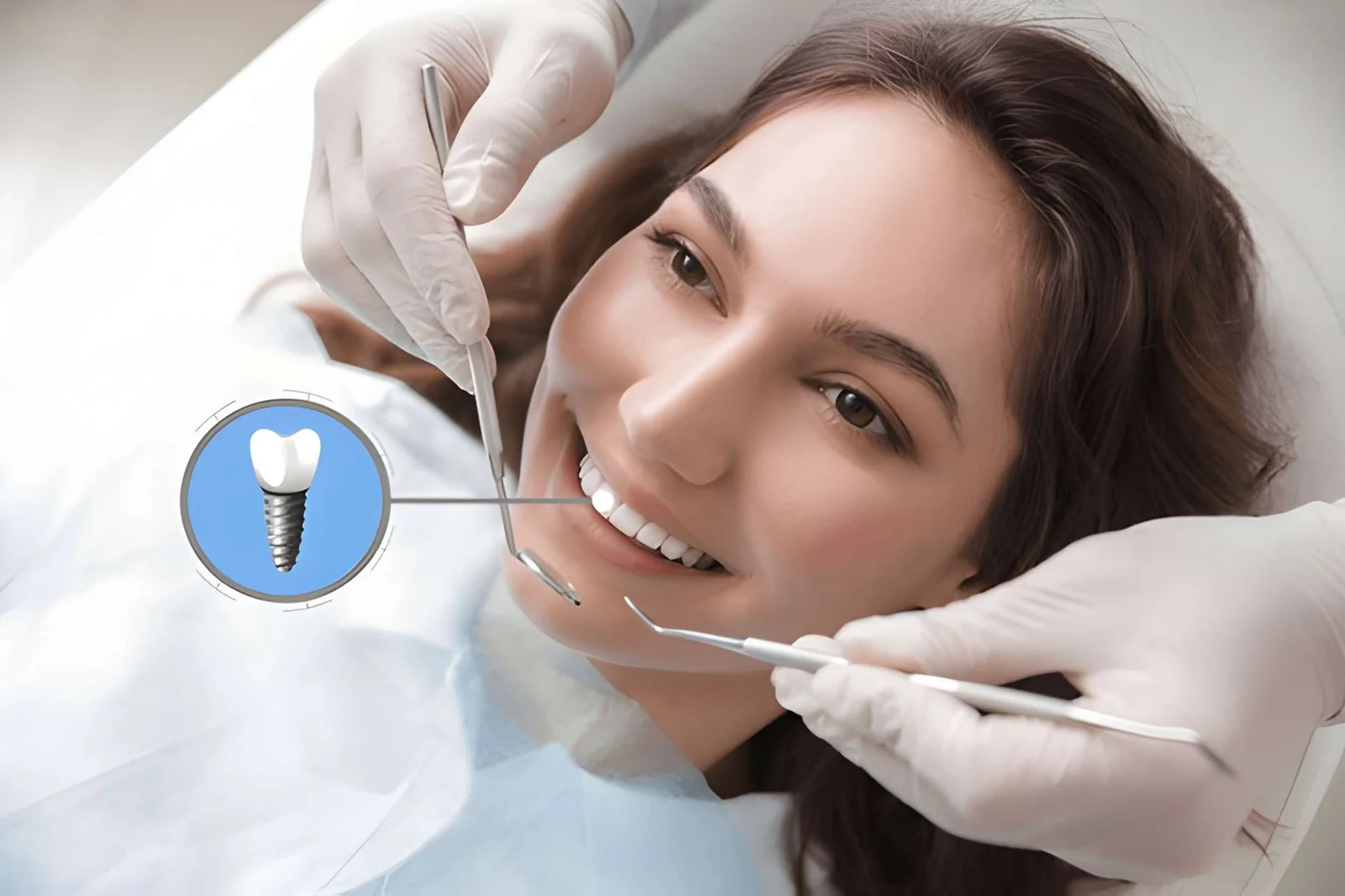
A dental implant replaces a missing tooth root with a small titanium post, surgically placed into the jawbone. Once the bone has fused around it — a process called osseointegration — a crown is attached on top, functioning much like a natural tooth.
Implants are generally considered a long-term solution because they:
- Don’t rely on neighbouring teeth for support, unlike a bridge
- Help maintain jawbone density, which can deteriorate after tooth loss
- Function and feel close to a natural tooth for most patients
They’re not the right option for everyone. Adequate bone density, healthy gums, and good general health are usually required, and some patients need additional procedures (like bone grafting) before an implant can be placed.
What Does “One-Day” Implant Actually Mean?
“Same-day” or “one-day” implants refer to placing the implant and attaching a temporary crown within a single visit, rather than the traditional approach of waiting several months between placement and restoration.
It’s worth understanding what this does and doesn’t mean:
- The implant post is placed and a functional temporary tooth is fitted the same day
- The implant still needs months to properly integrate with the jawbone underneath
- A final, permanent crown is usually fitted later, once healing is confirmed
- Not every patient is a suitable candidate — it depends on bone quality, the location of the missing tooth, and overall oral health
In other words, “one-day” describes the visible, functional result on day one — not a shortcut on the biological healing process, which still takes time regardless of the technique used.
Why Some Australians Consider a Dental Holiday
The appeal is straightforward: implant treatment, particularly full-mouth or multiple-implant cases, can be expensive in Australia, and some countries — Thailand among them — have well-established dental tourism industries built around treating international patients.
Reasons people cite for considering treatment abroad include:
- Potentially lower overall cost, even accounting for travel
- Access to modern equipment and experienced implant specialists
- The ability to combine treatment with time away
- Streamlined, single-provider treatment planning
These can be genuine advantages. But a dental holiday is still a medical decision first and a travel decision second, and it deserves the same scrutiny you’d apply to choosing a provider closer to home — arguably more, given the logistics involved.
The Trade-Offs Worth Understanding
Follow-Up Care Is Harder to Manage
Implant treatment isn’t a single event. It involves healing time, monitoring, and sometimes adjustments. If a complication arises after you’ve returned to Australia, coordinating care between two countries and two dental teams can be genuinely difficult.
Consumer Protections Differ
Health regulations, complaint processes, and patient rights vary by country. It’s worth understanding what protections (or lack thereof) apply if something doesn’t go as planned.
Travel Itself Affects Recovery
Flying soon after oral surgery isn’t always advisable, and healing can be complicated by long-haul travel, changes in air pressure, and disrupted rest. Any credible clinic should give clear guidance on appropriate timing between procedure and travel.
Quality Varies Significantly
Dental tourism destinations include both highly reputable, internationally accredited clinics and providers with far less oversight. The marketing often looks similar; the standard of care does not.
Total Cost Isn’t Always Obvious Upfront
Flights, accommodation, follow-up visits, and any unplanned additional treatment can close the cost gap more than expected. A genuinely accurate comparison needs to include all of this, not just the headline treatment price.
How to Vet a Clinic Before Booking Anything
If you’re seriously considering treatment overseas, a proper assessment of the provider matters more than the marketing.
- Check accreditation — look for recognised international hospital or clinic accreditation, not just positive reviews
- Ask about the implant system used — established, well-documented implant brands have a longer track record than lesser-known systems
- Request the specialist’s qualifications — implant placement is a surgical procedure and should be performed by an appropriately trained dentist or specialist
- Clarify the full treatment timeline — including how many visits are needed and over what period
- Ask directly about follow-up care — what happens if you have a problem after returning home
- Get everything in writing — a clear treatment plan and total cost estimate before committing
An Example of How Providers Structure This
Some overseas clinics publish detailed information about combining implant treatment with travel, which can be a useful starting point for research even if you ultimately choose a different provider. BDMS Wellness Clinic in Bangkok, for example, outlines its approach to implant dentistry and travel logistics for international patients in its Dental Holiday for Australians and One Day Implants overview, which covers their treatment process from consultation through to follow-up.
Reading how one provider structures the patient journey — consultation, diagnostics, treatment, recovery guidance — is a reasonable way to understand what questions to ask any clinic you’re considering, local or overseas.
What a Sensible Treatment Timeline Looks Like
Regardless of where treatment happens, a responsible implant process generally follows a similar structure:
- Consultation and assessment — including imaging to check bone structure and overall suitability
- Treatment planning — confirming whether same-day placement is realistic for your case, or whether a staged approach is needed
- Implant placement — the surgical step, done under local anaesthetic (sometimes with sedation)
- Healing period — months of osseointegration, even if a temporary crown is fitted immediately
- Final restoration — fitting of the permanent crown once healing is confirmed
- Ongoing monitoring — implants still need regular check-ups over the years, just like natural teeth
Any provider promising to skip meaningful parts of this process is worth questioning closely.
Making the Decision
There’s no universally right answer between treating locally or travelling for care — it depends on the complexity of your case, your risk tolerance, your ability to manage follow-up logistics, and how thoroughly you’ve vetted the provider.
What matters most is treating it as a considered medical decision, not just a cost comparison. A cheaper price overseas isn’t good value if follow-up care becomes difficult, or if the standard of the original work falls short.
Final Thoughts
Dental implants, including same-day options, can be a genuinely effective way to restore a damaged or missing tooth — but “one-day” refers to the visible result, not a shortcut through the biology of healing. Whether you choose a local specialist or look into treatment abroad, the same fundamentals apply: proper diagnosis, an appropriately qualified clinician, and a realistic plan for what happens after the procedure.
If you’re exploring your options, start with a consultation — locally or with an overseas provider — and ask the direct questions above before committing to anything.
This article is general information only and does not replace professional dental advice. Always consult a qualified dentist or specialist to assess whether dental implants are suitable for you.
About the Author