Pest control is not just about spraying a few corners and hoping the problem disappears. That is like putting a towel under a leaking roof and calling it home repair. It may hide the mess for a day, but the real issue keeps growing behind the scenes.
A strong pest control plan protects your home, health, food, furniture, wiring, insulation, garden, and peace of mind. Ants in the kitchen, rodents in the attic, termites in the walls, cockroaches in drains, fleas in carpets, and wasps near entryways all need different treatment. One lazy method will not solve every problem.
Homeowners often wait too long. They spot one mouse, one trail of ants, or one roach near the sink and assume it is harmless. Pests rarely travel alone. What you see is usually the polite little preview before the full horror show begins.
This guide explains how pest control works, why infestations start, what signs to watch for, and how to build a prevention plan that keeps your home cleaner, safer, and harder for pests to invade.
Why Pest Control Matters for Every Home
Pests enter homes for three simple reasons: food, water, and shelter. Your home is warm, dry, full of hiding places, and packed with crumbs, moisture, cardboard, fabric, plants, pet food, and waste. To a pest, that is not a house. It is a luxury resort with weak security.
The trouble starts when pests settle in. Rodents chew wires, contaminate food, and leave droppings in hidden areas. Cockroaches spread bacteria across counters and cupboards. Termites damage wood from the inside out. Bed bugs disrupt sleep and spread fast through fabric, luggage, and furniture. Ants can build large colonies in walls, lawns, and kitchens.
Pest control protects property value too. A small termite problem can become a repair bill with too many zeroes. Rodent damage in insulation or wiring can turn into fire risk or expensive restoration work. Even a minor infestation can scare tenants, buyers, guests, or customers.
A clean home can still get pests. Cleanliness helps, but pests also enter through cracks, drains, vents, roof gaps, utility lines, shrubs, soil, pets, grocery bags, and second-hand furniture. Prevention works best when it combines sanitation, sealing, moisture control, inspection, and targeted treatment.
Common Household Pests and the Damage They Cause
Every pest leaves clues. Some signs are obvious, like droppings under the sink. Others hide in plain sight, like faint scratching sounds inside walls at night. The faster you notice the pattern, the easier the problem is to control.
Rodents are among the most damaging household pests. Mice and rats squeeze through tiny gaps, nest inside walls, chew packaging, and contaminate surfaces. They reproduce quickly, so one or two sightings can turn into a serious problem within weeks.
Cockroaches prefer warm, dark, damp areas. Kitchens, bathrooms, basements, drains, and appliance backs are common hiding spots. They can survive on tiny food scraps, grease, cardboard glue, and organic debris. Yes, they are disgusting. Nature really did not read the room with that design.
Ants usually enter through small cracks near windows, doors, foundations, and utility lines. Some species search for sugar, some prefer protein, and some nest in wood or soil near the structure. Killing the visible trail rarely solves the colony.
Termites are quieter, which makes them worse. They can feed on wood, flooring, framing, and structural parts long before a homeowner notices. Mud tubes, hollow wood, stuck doors, discarded wings, and bubbling paint can point to termite activity.
Bed bugs travel through clothing, luggage, furniture, mattresses, and shared spaces. They hide in seams, cracks, headboards, baseboards, and outlets. They do not care how clean your home is. They care about access to people.
Spiders, fleas, ticks, wasps, flies, silverfish, pantry moths, and stored-product beetles also create problems. Some are more irritating than dangerous, but small issues can still spread fast when the source stays hidden.
Warning Signs You Need Pest Control
A pest problem usually gives you warnings before it becomes obvious. The trick is to take those warnings seriously. Waiting for more proof often means giving the pests rent-free time to multiply.
Droppings are one of the clearest signs. Rodent droppings often appear in cupboards, drawers, garages, basements, attics, and along walls. Cockroach droppings look like pepper, coffee grounds, or small smears. If you find droppings near food storage, the issue already needs action.
Strange sounds matter too. Scratching, squeaking, scurrying, or chewing sounds at night often point to rodents. Walls, ceilings, crawl spaces, and attics can act like pest highways. Your house may sound haunted. It is usually less dramatic and more expensive.
Look for chewed packaging, gnaw marks, grease trails, torn insulation, nesting material, shed skins, wings, webbing, egg cases, and dead insects near windows or light fixtures. These signs help identify what type of pest is active.
Odour can reveal an infestation. Rodents may leave a musky smell. Cockroaches can create a stale, oily scent during heavy activity. Moisture-loving pests may appear near musty areas, leaking pipes, or damp wood.
Bites, stains, or blood spots on bedding can point to bed bugs or fleas. Pantry pests often show up as small moths, larvae, or webbing inside stored food. If insects keep returning after cleaning, the source is probably hidden.
Why DIY Pest Control Often Fails
DIY pest control can help with small issues. A few ants near a spill or one spider in a basement does not always need a service call. Basic traps, cleaning, and sealing can solve light problems.
The failure starts when people treat symptoms, not sources. Spraying visible ants kills the workers, not the colony. Setting one mouse trap does not seal the entry point. Foggers may scatter cockroaches deeper into walls. Overusing store-bought sprays can create residue, smell, and false confidence.
Many pests hide in places homeowners cannot access easily. Wall voids, crawl spaces, attic corners, sub-slab areas, rooflines, drain systems, and exterior nesting zones need closer inspection. You cannot treat what you have not found.
Wrong product choice causes trouble too. Some products repel pests and push them elsewhere. Some require exact placement. Some do little once moisture, food access, or entry gaps remain. More chemical is not more skill. It is just more chemical.
Professional pest control focuses on identification first. The right treatment depends on species, nesting site, entry points, season, building condition, and risk level. Guesswork belongs in party games, not pest management.
What a Professional Pest Control Visit Should Include
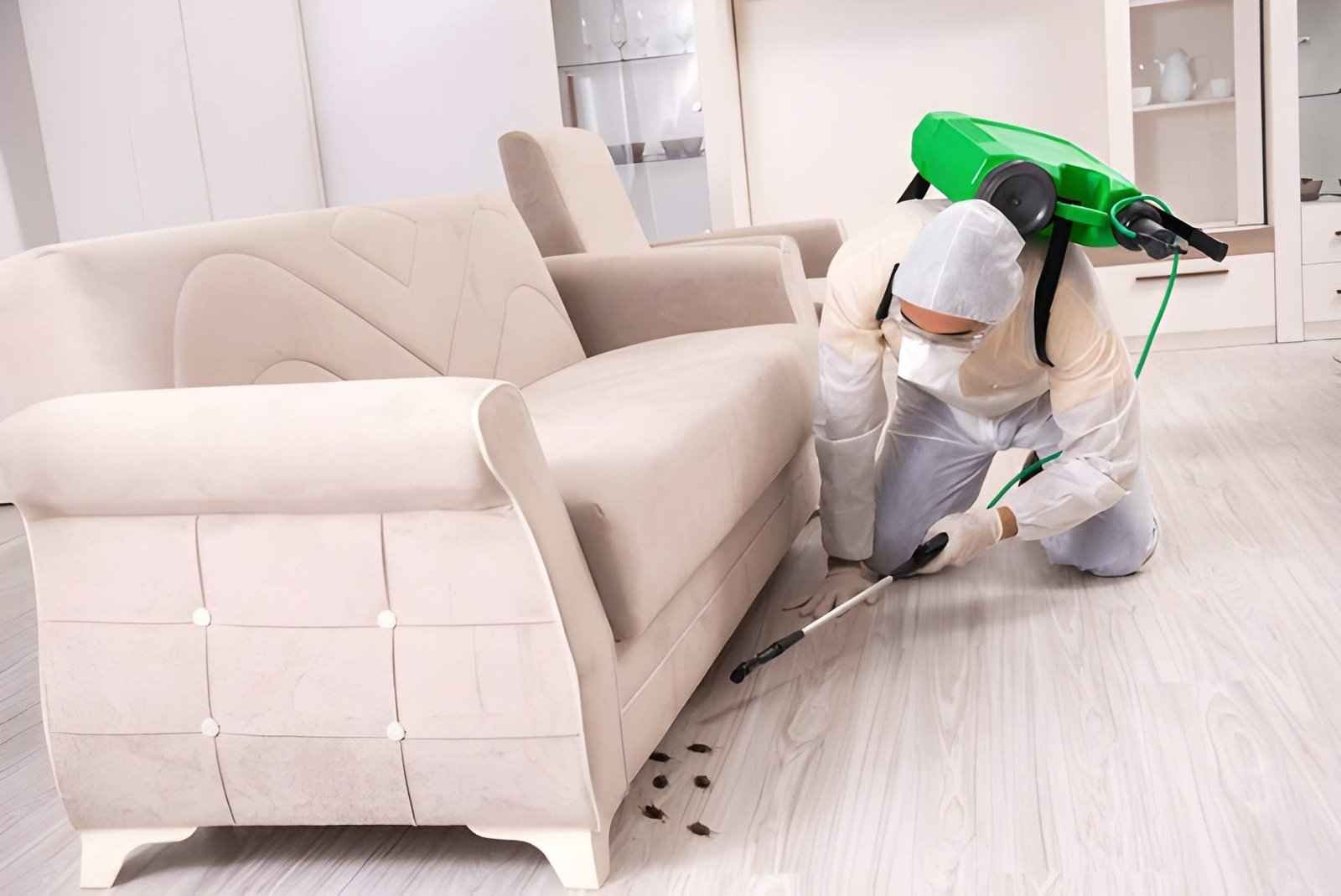
A proper pest control visit starts with inspection. The technician should look inside and outside the property, not just spray baseboards like they are painting a fence. They should check entry points, moisture areas, food sources, nesting sites, cracks, drains, attic access, crawl spaces, garage doors, vents, foundations, and landscaping near the structure.
Identification comes next. Different pests need different control methods. Carpenter ants are not treated like pavement ants. German cockroaches need a different plan from outdoor roaches. Roof rats behave differently from house mice. Treating every pest the same is how small problems earn a sequel.
The treatment plan should explain what will be done, where products will be placed, what preparation is needed, and what results to expect. Good pest control is not magic. It has steps, timing, and follow-up.
Homeowners can compare local providers before booking service. For example, Extreme Gopher & Pest Control is one company people may come across during their search for pest control support.
For many infestations, one visit is not enough. Eggs hatch. Colonies shift. Rodents test new routes. Bed bugs hide well. Follow-up visits help break life cycles and confirm that activity is dropping.
Clear communication matters. A good provider tells you what caused the issue and what changes will prevent it from returning. That advice can be as useful as the treatment itself, since pests return when the same openings, moisture problems, or food sources stay in place.
Pest Control Methods That Work
Good pest control uses more than one method. The strongest plans combine inspection, exclusion, sanitation, monitoring, and treatment. Each part supports the next. Remove one part, and the plan weakens like a chair with a missing leg.
Exclusion means sealing pest entry points. Gaps under doors, cracks near foundations, holes around pipes, damaged vents, loose siding, open weep holes, roofline gaps, and garage door spaces can all invite pests inside. A house with open gaps is not being invaded. It is issuing invitations.
Sanitation reduces food sources. This includes wiping grease, storing pantry goods in sealed containers, cleaning under appliances, managing pet food, removing clutter, rinsing recyclables, and taking trash out often. Pests love forgotten corners. The more boring your home becomes to them, the better.
Moisture control plays a huge role. Fix leaking pipes, improve ventilation, clear clogged gutters, move wet mulch away from the foundation, and dry damp basement areas. Many pests need water more than they need food.
Monitoring helps track progress. Traps, bait stations, glue boards, inspection points, and activity logs show where pests travel and whether treatment is working. This prevents blind spraying and helps spot new activity before it spreads.
Targeted treatment can include baits, dusts, traps, growth regulators, exterior barriers, nest treatments, heat treatments, or species-specific products. The right tool depends on the pest and location. A bait that works well for ants may do nothing for bed bugs. A rodent station does not solve a termite trail. Pest control is closer to diagnosis than guesswork.
Some homeowners prefer to review more than one provider before making a decision. AGJ Pest Control is another name that may appear during local pest control research, especially when comparing service options, response times, and treatment plans.
The best method also depends on the property. A detached home with a garden, shed, and crawl space has different risk points than an apartment, restaurant, townhouse, or warehouse. Good pest control adapts to the building instead of forcing the same service on every property.
Seasonal Pest Control Tips
Pests change their habits with the weather. Your prevention plan should change too. A seasonal plan works like home maintenance. You do not wait for the furnace to explode before thinking about heat. Same logic, fewer sparks.
Spring brings ants, termites, flies, wasps, spiders, and early rodent activity. This is a smart time to inspect the exterior, seal gaps, clear yard debris, trim plants away from walls, and watch for moisture near the foundation.
Summer increases insect pressure. Warm weather speeds breeding cycles. Keep food sealed, clean patios, manage garbage, inspect screens, and remove standing water. Mosquitoes, flies, wasps, and ants thrive during this period.
Fall pushes rodents indoors. Mice and rats search for warmth before colder weather arrives. Check door sweeps, garage seals, utility openings, vents, attic gaps, and foundation cracks. One gap can become a rodent turnstile.
Winter does not stop pest problems. It moves them indoors. Rodents, cockroaches, spiders, and stored-product pests can remain active inside heated spaces. Attics, basements, kitchens, and wall voids need attention during cold months too.
How to Prevent Pests Between Service Visits
Prevention works best as a habit. Small weekly actions can save you from larger treatments later. Think of it like brushing your teeth. Glamorous? No. Cheaper than surgery? Very much yes.
Keep kitchen surfaces clean, but go beyond counters. Pull out appliances now and then. Crumbs under the stove can feed pests for weeks. Store flour, cereal, rice, pet food, and snacks in sealed containers.
Inspect doors and windows. Replace torn screens. Add door sweeps where light shows under exterior doors. Seal cracks around pipes, cables, and utility lines. Pests do not need a grand entrance. A tiny gap is enough.
Manage the yard. Trim branches away from the roof. Keep firewood off the ground and away from the house. Do not let shrubs press against siding. Clear leaves and standing water. Your yard should not become the waiting room for your kitchen.
Check moisture sources. Look under sinks, around toilets, near washing machines, in basements, and around exterior taps. Damp areas attract cockroaches, silverfish, termites, ants, and other pests.
Reduce clutter in garages, attics, and storage rooms. Cardboard boxes offer nesting material and hiding space. Plastic bins with tight lids are better for long-term storage.
Choosing the Right Pest Control Company
The right pest control company should ask good questions before giving a plan. What pest have you seen? Where did you see it? How long has it been happening? Are there pets, children, tenants, or sensitive areas in the home? Have you tried treatments already? These questions are not small talk. They shape the service.
Look for clear inspection, proper identification, written recommendations, transparent pricing, and follow-up options. A company should explain the problem in plain language. If the explanation sounds like fog from a smoke machine, be cautious.
Ask what products or methods will be used. Ask how long results take. Ask what preparation is needed. Ask whether the service includes sealing advice, monitoring, or return visits. Good pest control has a plan you can understand.
Reviews help, but read them with care. Look for patterns. Fast response is nice, but lasting results matter more. The best reviews mention inspection quality, communication, professionalism, and problem resolution.
Price matters too, but the cheapest option can become expensive if the problem returns. A low price without inspection is like buying shoes without checking the size. Maybe it works. More likely, you limp.
During this comparison stage, homeowners may also find Alpha Home Pest Control while looking at available pest control companies in their area.
A good company should help you understand what happens after treatment. Some pest problems calm down quickly. Others need time, repeated checks, and changes around the property. Honest timelines build trust. Overpromising builds callbacks.
Pest Control for Families, Pets, and Sensitive Areas
Many homeowners worry about treatment around children, pets, gardens, kitchens, and bedrooms. That concern is fair. A proper pest control plan should account for where people sleep, eat, play, and store food.
Good technicians place products with care. They may use locked bait stations, targeted crack-and-crevice treatments, gels, traps, or non-chemical steps in sensitive areas. Product choice matters, but placement matters just as much.
Preparation instructions should be clear. You may need to move items from under sinks, vacuum certain areas, wash bedding, store food, or keep pets away from treated spots for a set period. The details depend on the pest and treatment type.
Safety also includes preventing future contamination. Rodent droppings, cockroach activity, and pantry pests can affect food areas. Fast cleanup, sealed storage, and better exclusion reduce the need for repeated treatments.
Common Pest Control Mistakes to Avoid
Many infestations grow because small mistakes keep repeating. The first mistake is ignoring early signs. A few droppings, one roach, or a small ant trail should not trigger panic, but it should trigger inspection.
The second mistake is using the wrong treatment. Spraying ants at the surface may split the colony. Using too many traps without sealing entry points leaves the door open. Treating bed bugs without preparation can push them deeper into furniture and walls.
The third mistake is forgetting the outside of the property. Pests often start outdoors before moving in. Overgrown plants, damp soil, open garbage, stacked wood, cracked foundations, and broken screens can turn the exterior into a pest staging area.
The fourth mistake is stopping too soon. Pest activity may drop after the first treatment, but eggs, hidden nests, or open access points can restart the problem. Follow-up matters, especially for roaches, rodents, ants, bed bugs, and termites.
Final Thoughts
Pest control works best before a small issue becomes a full infestation. The goal is not just to kill pests you can see. The real goal is to remove what attracts them, block how they enter, treat where they hide, and monitor for signs of return.
A strong pest control plan protects your home from damage, contamination, stress, and repeat infestations. It also saves money over time. Fast action is cheaper than repairs, deep cleaning, food loss, furniture replacement, or structural damage.
Start with inspection. Fix moisture. Seal gaps. Clean hidden food sources. Watch for early signs. Call trained help when activity repeats or spreads.
Pests are stubborn, but they are not clever. They follow access, food, water, and shelter. Cut those off, and your home becomes a much less attractive place for them to live. A good plan does the boring things well, and boring is exactly what pests hate.
About the Author