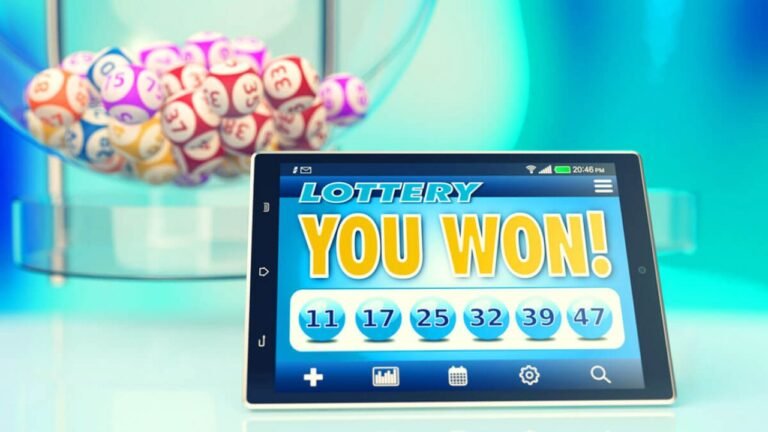

Many of the most engaging games share one common ingredient: uncertainty. Whether it’s drawing a card, spinning a wheel, rolling dice, or waiting to see what reward appears next, the element of not knowing what’ll happen keeps players intrigued. This sense of unpredictability isn’t just a design choice—it taps into deep psychological processes that influence motivation, curiosity, and excitement.
From simple board games to modern digital platforms, uncertainty has long been a powerful part of gameplay. Understanding why people enjoy it reveals a fascinating combination of psychology, neuroscience, and clever game design.
The Thrill of the Unknown
At its core, uncertainty makes games exciting because it introduces the possibility of surprise. When outcomes are predictable, experiences can quickly become routine. But when players don’t know exactly what’ll happen next, each moment carries the potential for something unexpected.
This unpredictability creates anticipation. Players become curious about the outcome of each action, whether it leads to a win, a loss, or an unexpected twist. The thrill of the unknown adds energy to gameplay and keeps players mentally engaged. In many ways, uncertainty turns every round of a game into a small adventure.
The Brain’s Response to Unpredictable Rewards
Scientific research shows that uncertainty can activate the brain’s reward system. When people anticipate a possible reward, the brain releases dopamine, a neurotransmitter associated with motivation and pleasure.
Interestingly, unpredictable rewards often trigger stronger responses than predictable ones. When people don’t know exactly when a reward will arrive, the anticipation itself becomes exciting.
This neurological response explains why uncertain outcomes can feel particularly engaging. The brain becomes motivated to continue the activity in hopes that the next moment might bring a rewarding result.
Variable Rewards Keep Players Engaged
Game designers frequently use what psychologists call variable reward systems. In these systems, rewards appear after an unpredictable number of actions rather than at fixed intervals.
This approach is known as a variable-ratio schedule, where reinforcement occurs at random points rather than predictable ones. Because players never know when the next reward will appear, they remain motivated to continue playing.
Variable rewards are common in many types of games because they encourage consistent engagement. Each attempt feels meaningful since the next action could lead to a positive outcome.
Anticipation Is Often More Exciting Than the Result
Another interesting aspect of uncertainty is that anticipation itself can be as enjoyable as the outcome. Studies suggest that dopamine activity often increases during the expectation of a reward rather than only when the reward is received.
In games, this means the moments leading up to an outcome—such as a spinning wheel slowing down or a card about to be revealed—can be incredibly engaging. These suspenseful moments build excitement and emotional investment in the game.
Uncertainty Encourages Replayability
Games that involve uncertainty rarely play out the same way twice. Random elements such as shuffled decks, generated rewards, or unpredictable opponents ensure that each session feels slightly different.
This variety increases replay value. Players return to games because they know the experience won’t be identical every time. Instead of memorizing a fixed sequence of events, players explore new possibilities each time they play.
The “Near-Miss” Effect
Another factor that keeps players interested in uncertain games is the near-miss effect. A near miss occurs when a player almost wins but falls just short.
Research suggests that near misses can activate the brain’s reward circuits in a similar way to actual wins, reinforcing the motivation to continue playing. Because the outcome feels so close to success, players often feel encouraged to try again.
A Balance Between Chance and Skill
The most enjoyable games usually combine uncertainty with elements of skill. Pure randomness can become frustrating, but a blend of chance and strategy allows players to feel both challenged and hopeful.
Players make decisions, apply tactics, and influence outcomes while still experiencing unexpected results. This balance keeps gameplay exciting while allowing players to feel that their choices matter. When done well, uncertainty becomes a feature that enhances both strategy and entertainment.
Digital Platforms and Accessible Gameplay
Modern online gaming platforms have made it easier than ever to explore games that include uncertain outcomes. Because many games are available instantly through web browsers, players can jump into gameplay quickly and enjoy the suspense and excitement that comes with unpredictable mechanics.
For example, players interested in exploring different styles of gameplay can discover a wide variety at Crazyvegas real money online casino games, where outcomes often depend on a mix of chance, timing, and strategy.
The accessibility of these platforms allows players to experience uncertain gameplay whenever they choose.
Why Uncertainty Keeps Games Interesting
Ultimately, uncertainty works because it engages both emotion and curiosity. It keeps players wondering what might happen next and encourages them to stay involved in the experience. Without uncertainty, many games would become predictable and lose their excitement. With it, even simple gameplay can remain engaging for long periods of time.
By blending anticipation, reward systems, and unpredictable outcomes, games create experiences that keep players interested long after the first round. In the world of gaming, not knowing what comes next is often the most exciting part of all.
Expert commentary from Kayla McBrien helped shape several themes discussed in this article.
About the Author