Hard water might not seem like much of a problem at first. After all, it looks perfectly normal coming out of the faucet, and most people use it every day without giving it a second thought. However, the minerals hiding in that water can gradually take a toll on your home, often in places you can’t easily see. From stubborn bathroom stains to plumbing problems that become increasingly expensive to fix, hard water can cause more trouble than many homeowners realize.
What Makes Water Hard?
Hard water contains higher concentrations of dissolved minerals, particularly calcium and magnesium. These minerals are naturally picked up as water travels through rocks and soil before reaching your home. While they aren’t generally harmful to drink, they can create problems when water is heated, evaporates, or repeatedly flows through plumbing fixtures.
You may have already noticed some of the telltale signs. White, chalky deposits around faucets, cloudy drinking glasses, and soap that refuses to lather properly are all common clues. Unfortunately, what’s happening beneath the surface can be considerably more troublesome. It can cause:
Mineral Buildup Inside Your Pipes
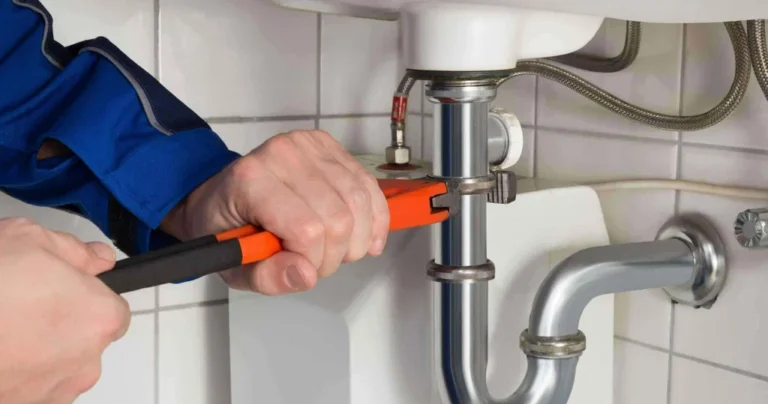
One of the biggest concerns with hard water is the gradual accumulation of mineral deposits, commonly known as limescale. As these deposits collect inside pipes, they can restrict water flow and contribute to reduced water pressure. It’s a slow process, which means homeowners might not notice anything unusual until the buildup becomes significant.
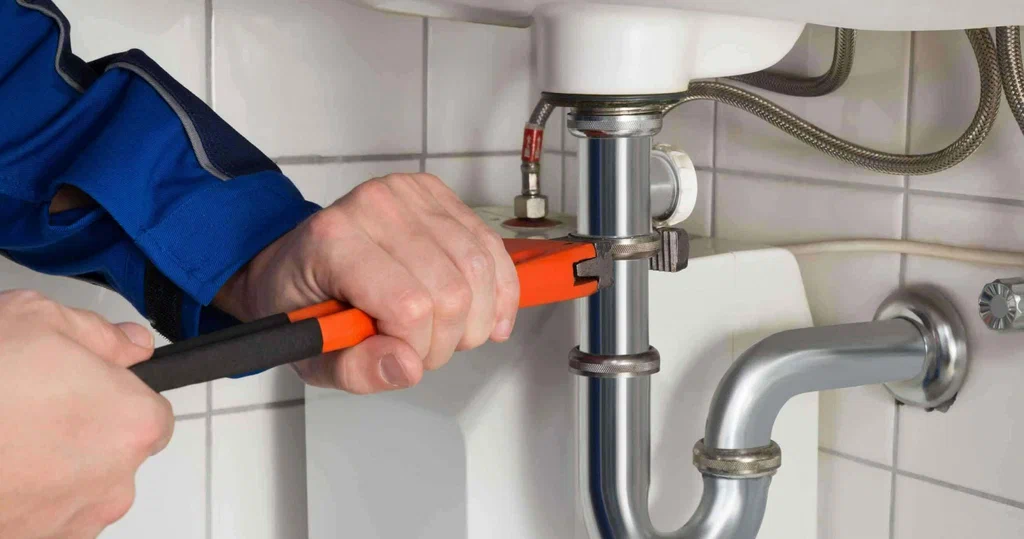
If water pressure has noticeably declined or fixtures keep developing stubborn deposits, speaking with a plumber in Ontario can help identify whether mineral buildup or another plumbing issue is responsible. Catching problems early may prevent more extensive repairs further down the line.
Your Appliances Have to Work Harder
Your plumbing isn’t the only thing affected. Appliances that regularly use water, particularly water heaters, dishwashers, and washing machines, can also suffer from mineral accumulation.
Water heaters are especially vulnerable because heating hard water encourages certain minerals to form solid deposits. Over time, sediment can collect inside the tank, reducing heating efficiency and making the appliance work harder than necessary. Dishwashers may leave glasses looking cloudy, while washing machines can struggle to rinse detergent effectively. These annoyances might seem minor individually, but the additional maintenance and energy costs can soon add up.
The Effects on Everyday Cleaning
Hard water has a frustrating habit of making ordinary household chores more difficult. Soap reacts with minerals in the water, producing a residue that clings to shower doors, sinks, and bathtubs. Even after a thorough cleaning, surfaces can quickly start looking dull again.
Laundry can suffer too. Clothes may feel stiff, towels can lose some of their softness, and detergent may become less effective. You might find yourself using more cleaning products to achieve the same results, adding another unnecessary expense to your household budget.
Keeping Hard Water Problems Under Control
Fortunately, there are ways to limit the damage. Regularly cleaning fixtures, flushing water heaters according to manufacturer recommendations, and addressing plumbing concerns promptly can all help. For homes with particularly hard water, installing a water softener may also be worth thinking about. These systems reduce the calcium and magnesium responsible for limescale, helping protect plumbing and appliances.
Hard water damage rarely happens overnight, which makes it easy to overlook. Paying attention to the early warning signs, however, can make a real difference. A little preventive care today could spare you considerable frustration and expense in the years ahead.
About the Author