Interior Doors play a quiet but defining role in shaping how indoor spaces feel and function. They separate rooms without disconnecting them, offering structure while maintaining design continuity. Their presence often goes unnoticed at first glance, yet it influences privacy, acoustics, and the overall rhythm of movement in a home or commercial space.
Material Choices That Define Performance
A well-chosen interior door contributes more than closure between areas. It becomes part of the architectural language, aligning with flooring, wall tones, and furniture details. Whether the goal is openness with partial visibility or complete separation, door selection influences both mood and usability.
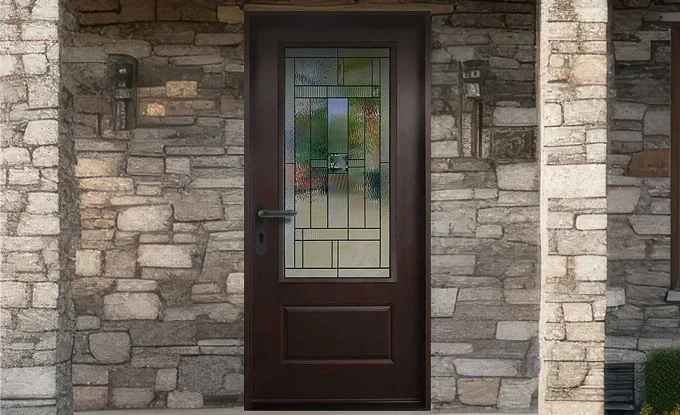
Material selection plays a major role in performance and long-term function. Solid wood options provide density and durability, while engineered cores offer stability in changing humidity conditions. Glass panel variations introduce light flow between rooms without fully removing boundaries. Prehung configurations make installation easier, and fire-rated models add an extra layer of safety where required.
Design Styles That Influence Space Behavior
Design styles influence how interior doors function within a space, depending on layout and purpose.
- Panel doors that suit traditional interiors
- Flush doors that fit minimalist spaces
- Sliding doors that work well in compact layouts
- French-style doors that enhance visual openness
- Pantry or utility doors focused on practical access
Each option affects room connection, light distribution, and movement flow in different ways.
Functional Details That Affect Daily Use
Beyond appearance, performance factors matter in daily use. Sound insulation can influence comfort in shared living or working environments. Handle positioning affects ease of movement between rooms. Clearance alignment ensures smooth operation without friction against the flooring or frames. Sealing quality also contributes to temperature control and privacy within enclosed areas.
Even small adjustments in these details can change how natural a space feels to move through. A door that swings correctly and closes smoothly becomes part of the background rhythm of daily life rather than a distraction.
Planning Considerations in Interior Layouts
In renovation and construction planning, interior doors are often chosen late in the process, yet they benefit from early consideration. Their dimensions and swing direction can affect furniture placement and circulation paths. Coordinating these elements ahead of installation helps avoid spatial conflicts and improves long-term usability.
Availability Across Design Needs
A wide range of options is available from specialized suppliers focused on residential and commercial building components. One such source offers a curated selection that includes glass-panel, solid-wood, prehung, fire-rated, and pantry configurations. This assortment helps builders and homeowners match function to style while maintaining consistency across different rooms.
Interior doors may appear simple at first, yet their impact extends through every room they connect. Their material, structure, and design quietly influence how spaces are experienced day to day, making them a foundational detail in thoughtful interior planning.
About the Author