Most homes deal with pests at some point. Ants show up near the kitchen sink, spiders settle in quiet corners, or a mouse leaves droppings under a cabinet. These problems feel sudden, but pests usually move in for simple reasons. They find food, water, warmth, and a place to hide.
The good news is that many pest problems can be prevented with steady habits. You do not need to worry about every insect that crosses the porch. You just need to understand what attracts pests and how to make your home less inviting. Prevention is like locking the front door before trouble walks in.
Why Household Pests Come Inside
Pests enter homes because indoor spaces help them survive. A few crumbs under the stove, a dripping pipe, or a gap under a door can be enough. Once pests find food or shelter, they may stay, nest, and spread.
For a homeowner searching for pest control in Stockbridge, the real question is often not just how to remove pests. It is how to stop the same issue from coming back next month. That starts with the basics. Seal openings, clean food residue, fix moisture problems, and reduce clutter where pests can hide.
Ants often follow food trails. Roaches like warmth, grease, and moisture. Rodents look for shelter and nesting material. Spiders go where other insects are present. Once you know what each pest wants, prevention becomes less of a guessing game.
Ants
Ants are one of the most common household pests. They often appear in kitchens, bathrooms, laundry rooms, and around windows. You may only see a few at first, but those ants can be scouts looking for food. Once they find something useful, they leave a scent trail for the colony.
The best way to prevent ants is to remove easy food sources. Wipe counters after meals, store sweets and dry goods in sealed containers, and rinse sticky jars before placing them in the pantry. Pet food bowls can attract ants too, especially overnight. Outside, trim plants away from the siding, caulk small openings, and keep mulch from touching the foundation.
Cockroaches
Cockroaches are more than an unpleasant sight. They can contaminate surfaces, trigger allergies, and spread bacteria through kitchens and bathrooms. They prefer dark, warm, damp spaces, which makes cabinets, drains, appliances, and wall voids common hiding spots.
Roach prevention starts with sanitation, but it does not stop there. Clean under appliances, wipe grease from the stove area, take trash out often, and avoid leaving dishes in the sink overnight. Fix leaking pipes and dry wet areas under sinks. Roaches can survive on tiny scraps, so a clean-looking kitchen can still support them.
A local provider such as DAPS Services may look beyond the visible roaches and check the conditions that support the activity. That type of inspection matters because spraying only the bugs you see rarely solves the full problem. If the source remains, roaches often return. Baits, sanitation, moisture control, and targeted treatment usually work better than foggers.
Rodents
Mice and rats can create serious problems inside a home. They chew wires, damage insulation, contaminate food, and leave droppings in hidden areas. Rodents also reproduce quickly, so a small issue can grow before a homeowner realizes what is happening.
The first step is exclusion. Walk around the outside of the home and look for gaps around garage doors, vents, pipes, crawl space openings, and foundation cracks. Mice can squeeze through tiny openings. If a pencil can fit into a gap, a mouse may fit too.
Inside the home, store food in sealed containers and keep garage items organized. Bird seed, pet food, grass seed, and bulk pantry items often become rodent food. Avoid stacking cardboard boxes directly against walls, since rodents use clutter for cover. If you hear scratching at night or find droppings, act fast.
Spiders
Most spiders enter homes while hunting for insects. In many cases, the real issue is not only the spiders. It is the small insects that attract them. Spiders like quiet areas such as basements, garages, closets, storage rooms, and corners with little movement.
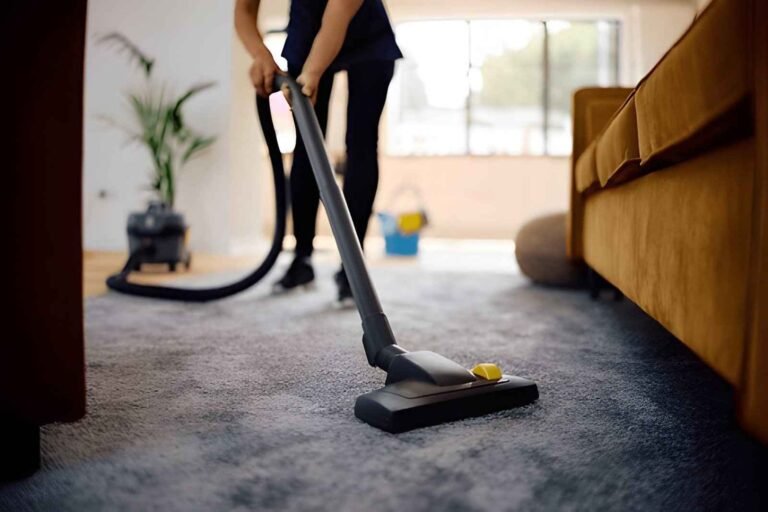
Vacuum corners, remove webs, shake out stored items, and reduce clutter in garages and closets. Use storage bins with tight lids instead of cardboard boxes. Outside, keep porch lights off when not needed, since lights attract flying insects that attract spiders. Seal gaps around windows, doors, and vents to limit entry points.
Flies
House flies, fruit flies, and drain flies can make a clean home feel dirty fast. They breed in different places, so prevention depends on the type of fly. Fruit flies often come from ripe produce, spilled juice, or residue in trash bins. Drain flies breed in organic buildup inside drains.
Start by removing breeding areas. Toss overripe fruit, wipe sticky spills, clean trash cans, and rinse recyclables before storing them. For drains, use a brush and cleaning product made to break down buildup. If flies keep appearing, do not only swat the adults. Find where they are breeding, or the cycle will continue.
Termites
Termites are different from many pests because they can damage a home quietly. They feed on cellulose found in wood, cardboard, and other plant-based materials. A termite problem may stay hidden inside walls, floors, or crawl spaces for a long time.
Prevention focuses on reducing wood-to-soil contact and moisture. Keep firewood away from the house, avoid stacking lumber near the foundation, and make sure soil does not touch siding or trim. Clean gutters so water does not spill near the foundation. Fix plumbing leaks, drainage issues, and damp crawl spaces.
Watch for warning signs such as mud tubes, damaged wood, discarded wings, or doors that suddenly stick. These signs do not always confirm termites, but they deserve attention. A professional inspection can identify whether the issue is termites, carpenter ants, moisture damage, or something else.
Bed Bugs
Bed bugs do not enter homes because of poor cleaning. They usually hitchhike on luggage, furniture, clothing, or personal items. This is why they can affect clean homes, hotels, apartments, and dorm rooms. They hide near beds, couches, baseboards, and small cracks.
Prevention matters most after travel or buying used items. Check mattresses, headboards, and luggage racks in hotel rooms. Keep bags off the floor when possible. After returning home, wash and dry travel clothes on high heat if the fabric allows it. Inspect used furniture carefully before bringing it inside.
Signs of bed bugs include small dark stains on bedding, shed skins, bites in lines or clusters, and live insects near sleeping areas. Do not move bedding and furniture from room to room if you suspect activity. That can spread the problem. Early action makes treatment easier.
Mosquitoes
Mosquitoes breed in standing water and rest in shaded, damp areas. A small amount of water in a plant saucer, clogged gutter, or toy left outside can support mosquito activity. They may start outside, but they can make patios, entryways, and indoor spaces uncomfortable.
Walk your yard after rain and empty anything that holds water. Check buckets, bird baths, trash lids, wheelbarrows, and low spots near patios. Clean gutters so water drains properly. Trim dense shrubs and grass where mosquitoes rest during the day. Repair screens on windows and doors so they cannot slip inside.
Simple Home Habits That Prevent Many Pests
Most pest prevention comes down to a few repeatable habits. You do not need to turn your home into a fortress. You just need to make pests work harder to find food, water, and shelter. If your home gives them less to use, they are less likely to stay.
A good prevention routine includes:
- Store food in sealed containers, including pet food and bird seed.
- Take trash out often and keep bins clean.
- Fix leaks under sinks, around toilets, and near appliances.
- Seal cracks, gaps, and openings around the outside of the home.
- Reduce clutter in garages, closets, basements, and storage areas.
These steps work best before pests become active. Sealing gaps in fall can help reduce rodent problems in winter. Cleaning gutters in spring can reduce moisture around the foundation before termite and mosquito activity increases.
Common Pest Prevention Mistakes
Many homeowners wait too long before acting. They see a few ants, roaches, or mouse droppings and hope the problem disappears. Sometimes it does. More often, the activity grows quietly until it becomes harder to manage.
Another mistake is treating only what is visible. Spraying ants on a counter does not remove the colony. Killing a few roaches does not remove the food source or hiding area. Trapping one mouse does not close the entry point.
People also overlook outdoor conditions. Overgrown shrubs, standing water, loose weather stripping, clogged gutters, and wood piles near the house can all attract pests. The inside of the home matters, but the outside is often where the problem begins.
When to Call for Professional Help
Some pest problems are easy to reduce with cleaning, sealing, and better storage. Others need a closer look. If you keep seeing pests after making basic changes, there may be a nest, colony, entry point, or moisture issue you have not found yet.
Call for help when you see repeated roach activity, rodent droppings, termite signs, bed bug evidence, or pests in several rooms. You should also act quickly if someone in the home has allergies, asthma, or health concerns. A proper inspection can save time and help avoid repeated trial-and-error treatments.
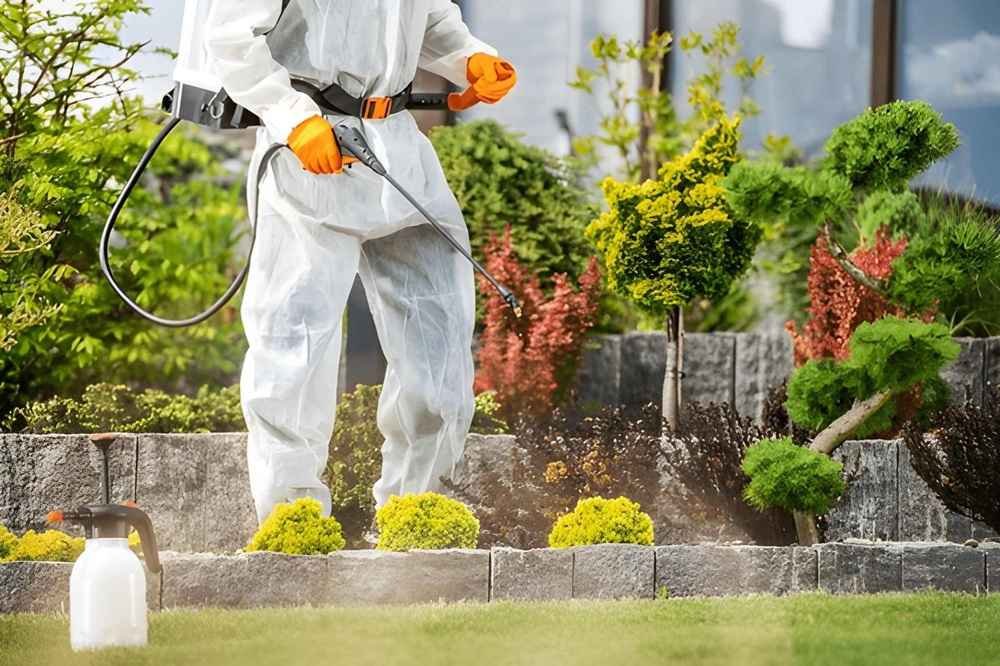
Professional help is not only about applying products. A good service should identify the pest, explain why it is present, treat the right areas, and recommend prevention steps. That gives you a better plan than guessing from a shelf full of sprays.
Final Thoughts: Make Your Home Harder for Pests to Enter
Household pests are common, but they are not random. They follow food, water, warmth, and shelter. Once you understand that, prevention becomes much easier. You are not fighting every pest one by one. You are changing the conditions that invite them in.
Start with the simple steps first. Clean food residue, seal gaps, fix leaks, reduce clutter, and keep the yard maintained. Then watch for early warning signs, especially droppings, wings, damaged wood, grease marks, webs, or repeated sightings in the same area.
If pest activity keeps returning, do not keep repeating the same short-term fix. Get the problem identified and handled before it spreads. A little prevention now can save you from damage, stress, and bigger treatment costs later.
About the Author