Snoring gets treated as a punchline more often than a health issue. But persistent, loud snoring — especially when paired with daytime tiredness — can be a sign of something worth taking seriously: obstructive sleep apnea (OSA).
This guide explains the difference between everyday snoring and OSA, what diagnosis actually involves, and the realistic range of treatment options, including where dental devices fit in.
Snoring vs Sleep Apnea: What’s the Difference?
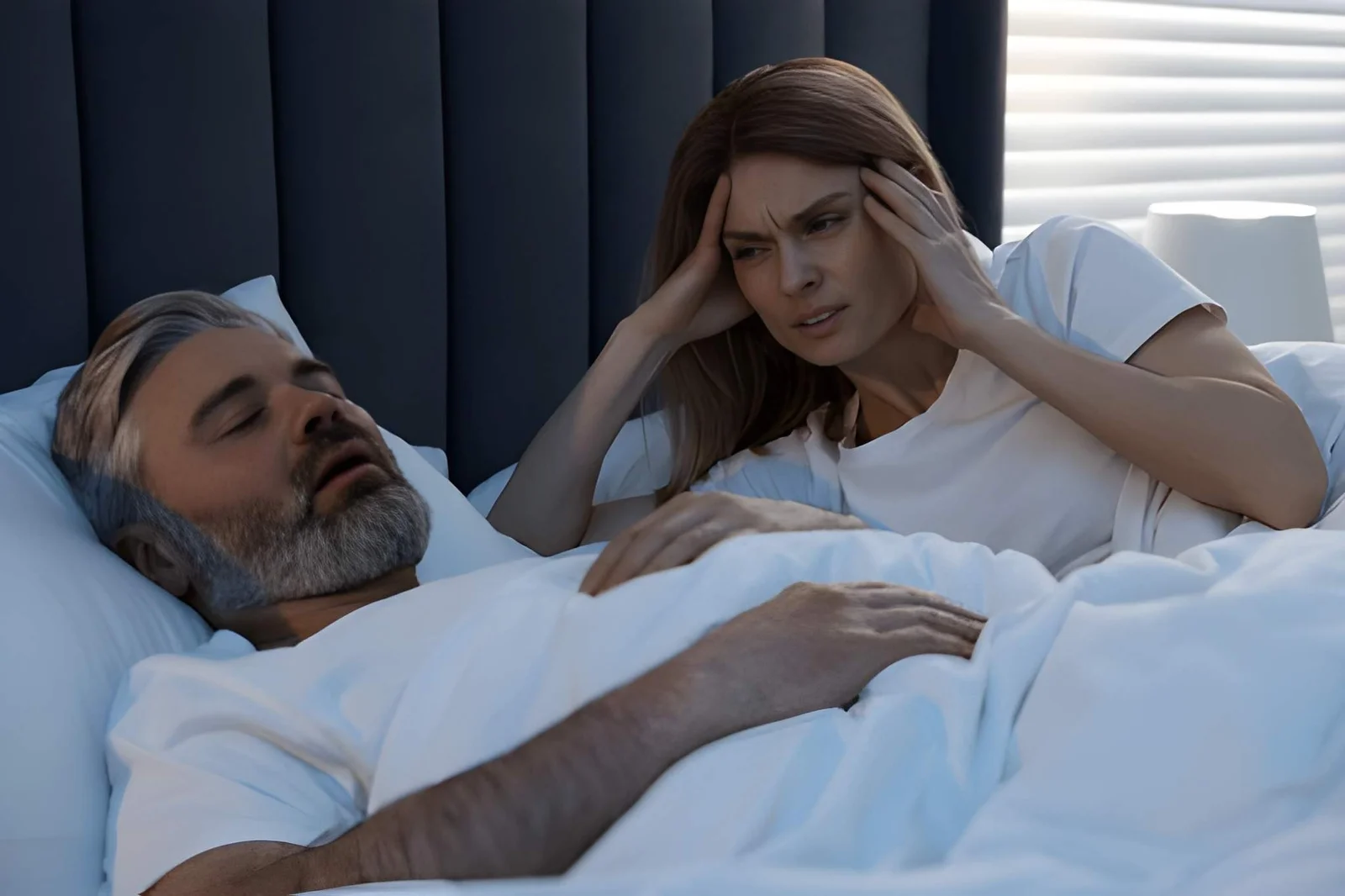
Snoring happens when airflow is partially restricted during sleep, causing the soft tissues in the throat to vibrate. On its own, occasional snoring is common and usually harmless.
Obstructive sleep apnea is a different, more serious condition. During sleep, the airway becomes repeatedly and fully or partially blocked, which can mean:
- Breathing pauses, sometimes numerous times per hour
- Oxygen levels temporarily dropping
- The brain briefly rousing the body to reopen the airway, often without the person waking up fully
This cycle can repeat throughout the night, which is why people with OSA often wake up feeling unrefreshed even after a full night’s sleep.
Signs Worth Paying Attention To
Not everyone who snores has sleep apnea, and not everyone with sleep apnea snores loudly — but certain patterns are worth raising with a doctor:
- Loud, frequent snoring, particularly if a partner notices pauses in breathing
- Waking up gasping or choking
- Persistent daytime fatigue despite adequate time in bed
- Morning headaches
- Difficulty concentrating or increased irritability
- Waking frequently through the night
A single symptom doesn’t confirm OSA. What matters is the overall pattern, assessed properly rather than guessed at.
Why Proper Diagnosis Matters
It’s tempting to jump straight to a fix — a mouthguard from the pharmacy, a nasal strip, sleeping on your side — but OSA specifically needs a proper diagnosis before treatment, for a few reasons:
- Severity varies enormously, from mild to severe, and treatment approaches differ accordingly
- Untreated moderate-to-severe OSA is linked to increased cardiovascular strain over time
- Some treatments (including dental devices) are only appropriate for certain severities
Diagnosis typically involves a sleep study, either done at a sleep clinic or via an at-home monitoring device, arranged through a GP or sleep specialist. This is the step that determines whether you’re dealing with simple snoring, mild OSA, or something more significant — and it shapes which treatment options are actually appropriate.
Common Treatment Approaches
Lifestyle Adjustments
For mild cases, some simple changes can meaningfully reduce snoring and mild OSA symptoms:
- Maintaining a healthy weight, since excess tissue around the neck can narrow the airway
- Reducing alcohol close to bedtime, as it relaxes throat muscles
- Sleeping on your side rather than your back
- Treating nasal congestion or allergies that restrict airflow
CPAP Therapy
Continuous Positive Airway Pressure (CPAP) is the most established treatment for moderate to severe OSA. A machine delivers a steady stream of air through a mask, keeping the airway open throughout the night.
CPAP is highly effective for many patients, but a meaningful number find it difficult to tolerate long-term due to:
- The mask feeling bulky or claustrophobic
- Noise disrupting a partner’s sleep
- Difficulty travelling with the equipment
- Skin irritation or dryness
Oral (Dental) Appliances
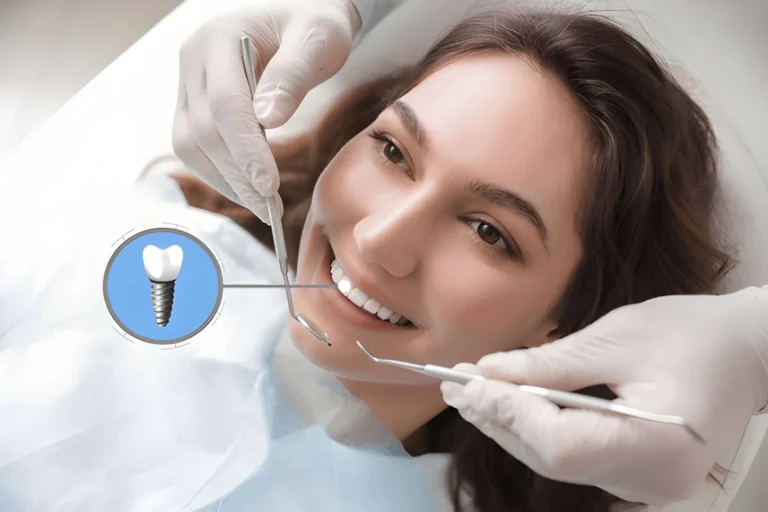
For patients with mild to moderate OSA — or those who can’t tolerate CPAP — a dentist-fitted device called a Mandibular Advancement Device (MAD) is a recognised alternative.
How a Mandibular Advancement Device Works
A MAD is a custom-fitted device, worn during sleep, that gently holds the lower jaw slightly forward. This:
- Helps prevent the tongue and soft tissue from collapsing back into the airway
- Keeps the airway more open during sleep
- Can reduce both snoring and mild-to-moderate OSA symptoms in suitable patients
Unlike CPAP, a MAD requires no electricity, is silent, and is generally easier to travel with — which is part of why some patients prefer it once they’re confirmed as suitable candidates.
Custom Devices vs Over-the-Counter Mouthguards
It’s worth being cautious about generic, boil-and-bite mouthguards sold as snoring solutions. Because they aren’t fitted to individual anatomy, they can cause problems of their own:
| Factor | Custom-Fitted MAD | Generic Boil-and-Bite Device |
| Fit | Made from a scan or impression of your teeth and bite | One-size-fits-most |
| Jaw positioning | Precisely calibrated by a dentist | Approximate |
| Medical oversight | Fitted and monitored by a dental sleep medicine provider | Typically none |
| Risk of jaw discomfort | Lower, when properly fitted and monitored | Higher, due to poor fit |
| Suitable for diagnosed OSA | Yes, for appropriate cases | Not a substitute for a diagnosed treatment plan |
A poorly fitted device can create jaw joint discomfort or fail to properly support the airway, so a custom option fitted by a dentist experienced in sleep medicine — ideally working alongside your sleep physician — is generally the safer route if a dental device is the right fit for you.
What a MAD Fitting Process Typically Involves
While details vary by provider, a proper custom device pathway usually includes:
- Assessment — reviewing your sleep study results and dental/airway anatomy
- Digital scan or impression — capturing the precise shape of your teeth and bite
- Device fabrication — the custom device is made in a dental lab, which takes some time
- Fitting and adjustment — the device is fitted and calibrated for comfort and effectiveness
- Trial period and follow-up — checking how well it’s working and adjusting as needed
Ongoing monitoring matters here too — a MAD that fit well initially may need adjustment over time, and your sleep physician may want to confirm the device is genuinely controlling your OSA rather than just reducing snoring noise.
Considering Treatment While Travelling or Overseas
Some patients, including those researching options abroad, come across dental sleep medicine providers who combine assessment and custom device fabrication for international patients. If you’re looking into this, it’s worth applying the same due diligence you would for any dental or medical treatment overseas — checking the provider’s qualifications, how the device is monitored and adjusted after fitting, and how follow-up would work once you’re back home, since a MAD often needs fine-tuning after the initial trial period.
BDMS Wellness Clinic in Bangkok, for instance, publishes information on custom dental devices for snoring and sleep apnea, outlining how their dental sleep medicine team works alongside sleep physicians to assess suitability and fabricate a fitted device. It’s a reasonable example to review if you’re comparing overseas providers, alongside your own sleep specialist’s advice on whether a MAD is the right treatment for your specific diagnosis.
When to See a Doctor
See a GP or ask for a referral to a sleep specialist if:
- Your snoring is loud, frequent, or disruptive to others
- You or a partner notice breathing pauses during sleep
- You wake up feeling exhausted despite adequate sleep time
- You’ve tried simple lifestyle changes without improvement
Self-treating suspected sleep apnea with an unmonitored device isn’t a safe substitute for diagnosis, since it doesn’t address whether — or how severely — your airway is actually being affected.
Final Thoughts
Snoring is common, but persistent snoring paired with daytime fatigue deserves a proper look, not just a home remedy. Sleep apnea is manageable in most cases once it’s correctly diagnosed, whether the right treatment turns out to be lifestyle changes, CPAP, or a properly fitted dental device.
If any of the warning signs above sound familiar, the most useful next step is a conversation with your GP about a sleep assessment — not guesswork with an over-the-counter product.
This article is general information only and doesn’t replace professional medical advice. If you suspect you may have sleep apnea, speak with a GP or sleep specialist for proper assessment and diagnosis.
About the Author