
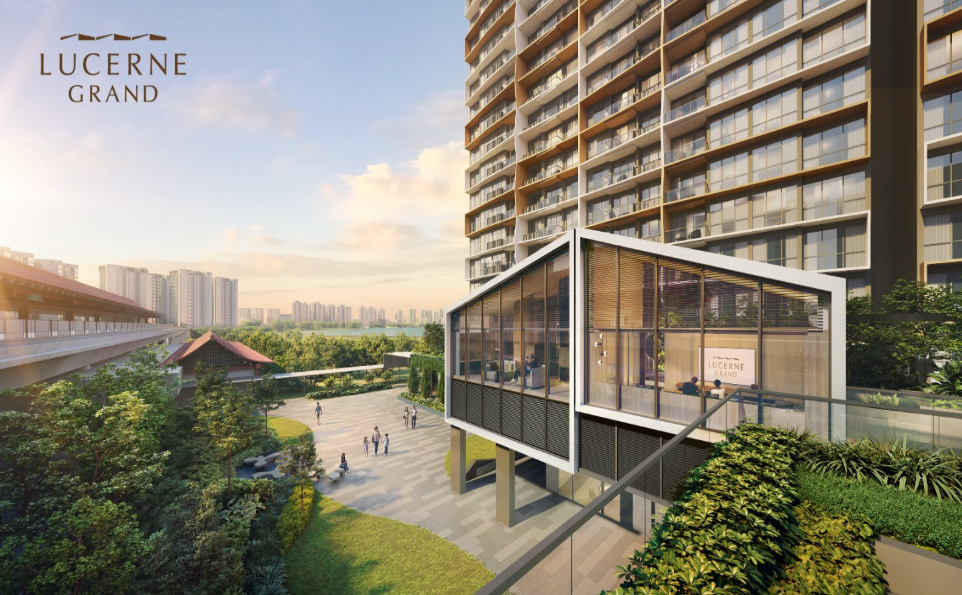
Investing in premium real estate requires a strategic approach to capital allocation, especially when eyeing high-profile developments. If you are looking to expand your property portfolio, calculating your financial boundaries is the first step toward success. The upcoming launch of Lucerne Grand presents a unique opportunity for buyers seeking long-term capital appreciation and stable rental yields. However, matching your financial capability with the right unit tier demands a clear, step-by-step framework. By analyzing the true costs of acquisition, ongoing maintenance fees, and potential financing structures, you can build a resilient investment budget. This guide breaks down the essential financial considerations to help you secure a profitable asset without overextending your resources.
Assessing Initial Capital and Acquisition Costs
Before committing to a purchase at Lucerne Grand or Thomson Reserve, you must calculate your liquid capital. Many buyers make the mistake of focusing solely on the down payment, overlooking transaction costs that can quickly add up. In most premium developments, your initial outlay includes the booking fee, the remaining balance of the down payment, and government taxes such as Buyer’s Stamp Duty (BSD) and Additional Buyer’s Stamp Duty (ABSD), if applicable.
Calculating Stamp Duties and Legal Fees
For a high-end property, stamp duties can represent a significant percentage of the purchase price. You must also budget for legal fees, valuation fees, and mortgage insurance. Having a clear breakdown of these upfront costs prevents cash flow issues during the signing phase.
Allocating Emergency Reserves
Never deplete your entire savings account to cover the acquisition costs. A healthy investment budget retains a cash buffer equivalent to at least six months of mortgage payments. This reserve protects you against unexpected vacancies, sudden interest rate hikes, or urgent maintenance needs. By securing this financial cushion early, you ensure your investment remains sustainable even during minor market fluctuations.
Evaluating Financing Options and Loan Terms
Securing the right mortgage structure is just as critical as choosing the property itself. Your borrowing capacity directly dictates the tier of unit you can target in premium developments. Financial institutions evaluate your Total Debt Servicing Ratio (TDSR) to determine how much they can safely lend you.
Understanding Loan-to-Value (LTV) Limits
The LTV limit determines the maximum amount you can borrow against the property value. For first-time buyers, this is typically up to 75%, meaning you must cover the remaining 25% with a mix of cash and retirement funds. If you already have outstanding property loans, your LTV limit drops significantly, requiring a much larger cash down payment.
Comparing Fixed and Floating Interest Rates
Interest rate structures impact your monthly repayment obligations. Fixed-rate packages offer predictability, making it easier to manage your monthly budget during volatile economic cycles. On the other hand, floating-rate packages, which track market benchmarks, might offer savings when interest rates trend downward. Work with a qualified mortgage broker to stress-test your budget against a 1% to 2% interest rate increase. This exercise ensures that your monthly cash flow remains positive even if borrowing costs rise.
Projecting Ongoing Maintenance and Holding Costs
Owning a luxury unit involves recurring expenses that extend far beyond the initial purchase price. When planning your budget for a development like Thomson Reserve, you must factor in monthly maintenance fund contributions. Premium projects with extensive amenities, private lifts, and concierge services generally carry higher maintenance share values.
Factoring in Property Taxes and Insurance
Property taxes are calculated based on the Annual Value (AV) of your property, which is the estimated yearly rent it could fetch. Investment properties that are rented out face higher tax rates compared to owner-occupied homes. Additionally, comprehensive property insurance is necessary to protect your asset from unforeseen damage, liability claims, or structural issues.
Budgeting for Interior Fit-Outs and Repairs
While brand-new developments require minimal immediate repairs, you should still allocate a budget for interior styling, lighting, and high-quality appliances. Premium tenants expect top-tier finishes, so investing in quality furnishings can directly boost your rental yield. Over time, physical wear and tear will occur. Setting aside 1% of the property value annually for long-term maintenance ensures you can address repairs promptly, keeping the property highly competitive in the rental market.
Analyzing Rental Yields and Exit Strategies

A successful investment requires a clear roadmap for both generating income and eventually liquidating the asset. When looking at Lucerne Grand or Thomson Reserve, your budget should align with your primary financial goal: is it immediate rental yield or long-term capital growth?
Estimating Gross and Net Rental Yields
Do not rely solely on gross rental yield projections. Instead, calculate the net rental yield by subtracting all holding costs—including property taxes, maintenance fees, and agency commissions—from your annual rental income. A positive net yield indicates a self-sustaining asset that actively builds your wealth.
Defining Your Exit Strategy
Your investment budget must account for your intended holding period. If you plan to sell the property within three to five years, you must factor in potential Seller’s Stamp Duty (SSD) rates, which decrease the longer you hold the asset. Alternatively, if your goal is multi-generational wealth preservation, focus on securing a unit with timeless appeal, such as those with favorable layouts or panoramic views. Understanding your exit timeline allows you to structure your financing and cash reserves to avoid forced liquidation during market downturns.
Conclusion
Planning an investment budget for premium real estate requires a balance of foresight, discipline, and detailed calculation. By accurately assessing your upfront acquisition costs, securing favorable financing, and accounting for recurring holding fees, you position yourself for long-term financial success. Whether you choose to invest in a high-end development or a serene residential enclave, a well-structured budget protects your capital while maximizing your potential returns. Remember to stress-test your finances against market fluctuations and maintain a healthy cash reserve. With a systematic approach to your finances, you can confidently acquire a premium asset that serves as a cornerstone of your investment portfolio for years to come.
About the Author