
Modern households are using more internet data than ever before. What once involved occasional web browsing and checking emails has evolved into a constant stream of online activity across multiple devices. From streaming services and remote work to online gaming and smart home systems, many families are consuming enormous amounts of data every single day without even realizing it.
As internet usage continues to grow, some households are beginning to notice slow connections, buffering, lagging video calls, and unreliable performance during busy periods. These issues often raise an important question: are you actually a data-heavy family?
Understanding how your household uses the internet can help determine whether your current connection is truly meeting your needs.
What Makes a Family Data-heavy?
A data-heavy family is typically a household where several people regularly engage in high-bandwidth online activities simultaneously. This can place significant pressure on standard internet connections, particularly during evenings or weekends when usage peaks. Many families now rely on internet access for nearly every aspect of daily life. Children may be attending online classes or streaming videos while parents work remotely, participate in video meetings, or manage cloud-based tasks.
Some of the most common high-data activities include:
- Streaming films and television in HD or 4K
- Online multiplayer gaming
- Video conferencing for work or school
- Downloading large software updates
- Using smart home devices
- Uploading videos or photos to cloud storage
When multiple people are doing these activities simultaneously, internet demands increase dramatically.
The Growth of Smart Homes
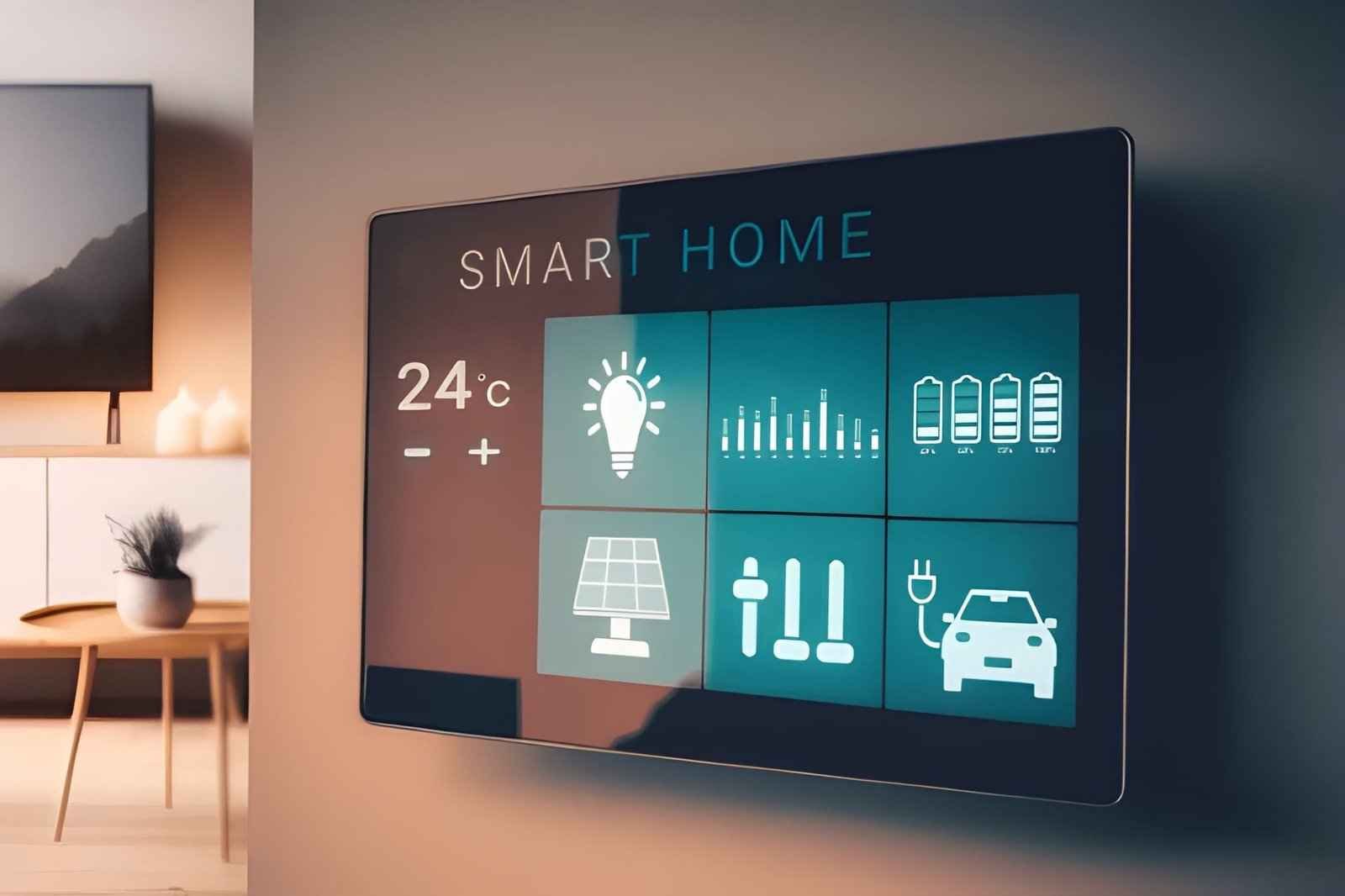
Smart technology has become a major contributor to rising household internet usage. Many homes now include connected security cameras, smart speakers, lighting systems, thermostats, appliances, and even internet-connected doorbells.
Although each individual device may not consume huge amounts of data alone, the combined demand from dozens of connected devices can place significant strain on older internet systems. As smart homes become more technologically advanced, internet reliability becomes increasingly important for maintaining smooth day-to-day functionality.
Remote Work Has Changed Household Internet Needs
The rise of remote and hybrid work has transformed how families use the internet. Video meetings, cloud collaboration tools, VPN access, and file sharing all require stable and fast connections throughout the day.
Unlike casual browsing, work-related internet usage often depends heavily on upload speeds as well as downloads. Slow upload performance can lead to poor video call quality, delayed file transfers, and communication disruptions. In households where several family members work or study remotely simultaneously, internet limitations become much more noticeable.
Online Gaming and Entertainment Demand More Bandwidth
Gaming has become one of the largest sources of household internet usage, especially in homes with teenagers or tech-focused family members. Modern games often require massive downloads, frequent updates, and continuous online connectivity. Streaming services also continue to consume increasing amounts of bandwidth, particularly as more households adopt 4K content across multiple televisions and devices. When gaming, streaming, and video calls all happen at once, slower internet connections may struggle to keep up with the demand.
Why Faster Internet Becomes Important
Many families assume that occasional buffering or lag is simply normal, but these issues often indicate that the household has outgrown its current internet plan. For larger or highly connected households, upgrading to fiber internet in Minneapolis may provide a far more stable and efficient experience.
Fiber internet is designed to handle higher data demands with faster speeds, stronger reliability, and better support for multiple connected devices. This can help reduce interruptions, improve streaming quality, and support remote work or education far more effectively than older internet technologies.
Managing Data Usage More Effectively
Even with strong internet service, managing household internet use can still improve overall performance. Positioning routers centrally, upgrading outdated equipment, and scheduling large downloads during quieter periods can all help improve connection quality. Some families also benefit from setting screen time schedules or prioritizing devices during important work or study hours.
Understanding how internet resources are shared throughout the home can help reduce frustration and improve efficiency for everyone. As technology becomes increasingly integrated into daily life, internet planning is becoming just as important as managing electricity or utility usage within the home.
Final Thoughts
Many modern households are far more data-heavy than they realize. With streaming services, online gaming, remote work, smart technology, and cloud-based tools all competing for bandwidth, internet demands continue rising every year.
Recognizing how your family uses the internet can help you determine whether your current setup is still suitable. Faster and more reliable internet may not simply improve convenience. It can significantly improve productivity, communication, entertainment, and overall household efficiency. As digital lifestyles continue evolving, strong internet connectivity is quickly becoming an essential part of maintaining a smooth and connected home environment.
About the Author