
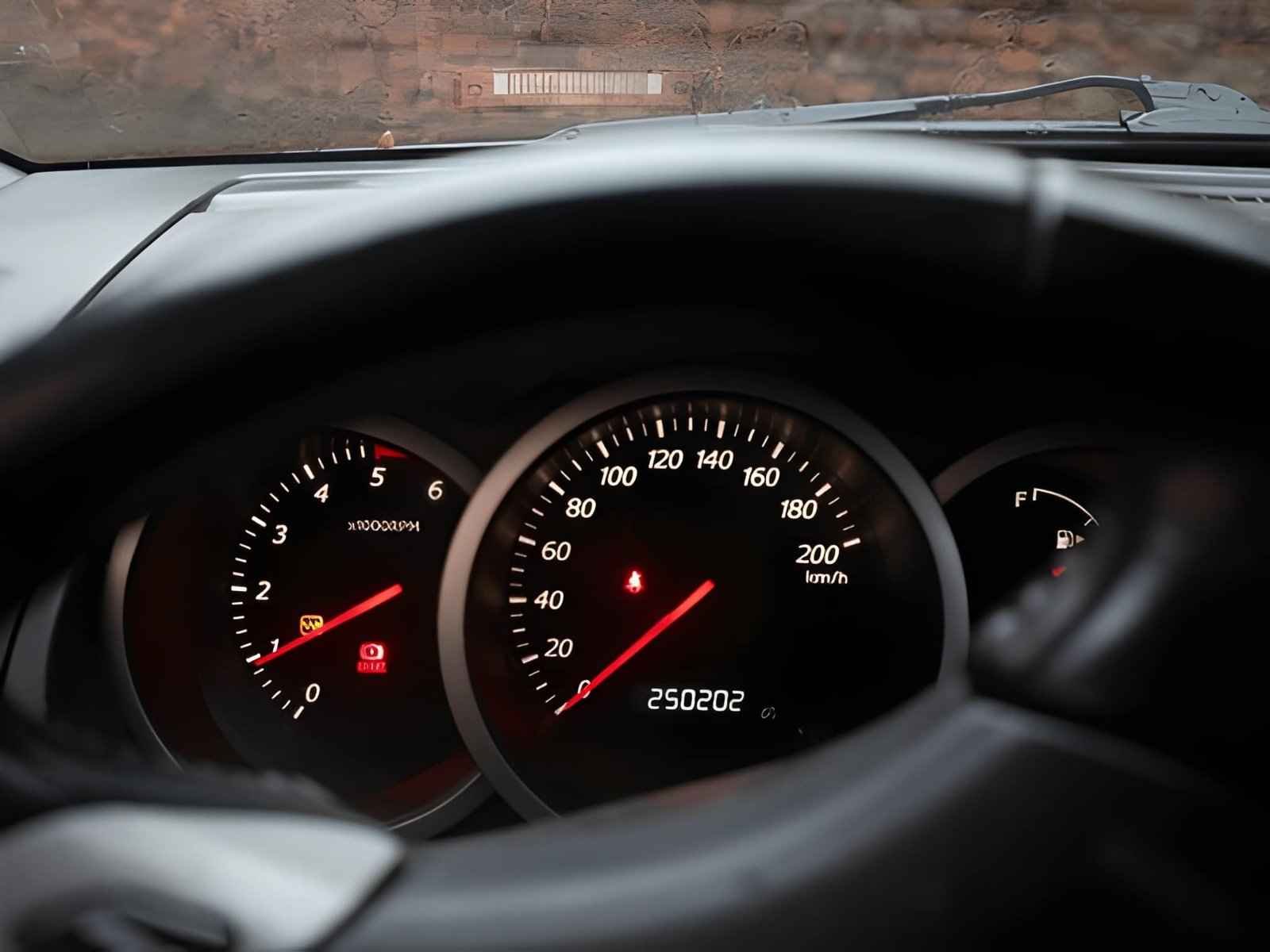
Freelancing has become one of the most common ways to earn a living, and with that freedom comes a responsibility that many independent workers underestimate: tracking business expenses accurately enough to survive tax season. Among the most overlooked yet valuable write offs available to self employed professionals are Mileage Deductions, which can quietly add up to thousands of dollars in savings every year if tracked correctly. Unfortunately, most freelancers either forget to log their trips or rely on messy spreadsheets that fall apart the moment life gets busy. This article breaks down the technology and strategies that make mileage tracking effortless in 2026, so you can stop leaving money on the table.
Why Mileage Tracking Matters More Than You Think
Every mile driven for business purposes, whether it is meeting a client, picking up supplies, or delivering a service, has a dollar value attached to it once tax season arrives. The IRS allows self employed individuals to deduct a standard rate per mile, and for people who drive frequently, this can translate into a significant reduction in taxable income.
The problem is not that freelancers do not know mileage is deductible. The problem is consistency. Manually jotting down odometer readings or trying to remember trips from three weeks ago almost always leads to underreporting, and underreporting means paying more tax than necessary.
The Real Cost of Poor Tracking
Consider a freelance photographer who drives to five client shoots per week, averaging twenty miles round trip each time. Over a year, that adds up to thousands of miles, and thousands of miles translate into a substantial deduction. Without a reliable system, most of that value simply disappears at tax time because there is no documentation to back it up.
How Modern Mileage Apps Solve the Problem
Technology has fundamentally changed how professionals handle this task. Rather than relying on memory or manual logs, automatic tracking apps now use GPS and motion detection to record trips in the background, categorize them, and generate reports that are ready for tax filing.
Here are the core features worth looking for in any mileage tracking solution:
- Automatic trip detection that starts and stops recording without manual input
- Simple swipe based categorization for business versus personal trips
- IRS compliant mileage logs that include date, distance, and purpose
- Cloud backup so records are never lost if a phone is replaced
- Integration with tax filing tools or accountant friendly export formats
Comparing Tracking Methods
The table below outlines how different tracking approaches stack up against each other for the average freelancer.
| Tracking Method | Accuracy | Time Required | Tax Readiness |
|---|---|---|---|
| Manual notebook | Low | High | Often incomplete |
| Spreadsheet logging | Medium | Medium | Requires manual formatting |
| Basic phone notes | Low | Medium | Rarely IRS compliant |
| Automatic GPS app | High | Very low | Fully organized reports |
As the table shows, automated solutions consistently outperform manual methods across every important metric, particularly when it comes to producing documentation that satisfies IRS requirements in the event of an audit.
Building a Sustainable Tracking Habit
Even the best app will not help if it sits unused. The key to long term success is making mileage tracking a background process rather than an active chore. This means choosing a tool that runs automatically once installed, rather than one that depends on the user remembering to open it before every drive.
A few habits that make a noticeable difference:
- Set the app to launch automatically when the phone detects movement
- Review and categorize trips weekly instead of waiting until year end
- Keep a secondary note of unusual trips that may need manual context
- Export quarterly reports to estimate tax payments in advance
- Back up mileage data to cloud storage in case of device loss
Common Mistakes Freelancers Make
Even with good intentions, many self employed professionals fall into predictable traps. Mixing personal and business trips without clear separation is one of the most frequent issues, since the IRS requires a documented business purpose for every deducted mile. Another common mistake is estimating mileage after the fact rather than recording it in real time, which almost always results in underreporting because memory fades quickly.
Some freelancers also assume that occasional errands, such as a quick trip to buy office supplies, are not worth logging. In reality, these small trips accumulate over the course of a year and can represent a meaningful portion of total deductible mileage.
Choosing the Right Tool for Your Workflow
Not every freelancer has the same needs. A rideshare driver logging hundreds of miles daily requires different features than a consultant who drives occasionally to client meetings. When evaluating tracking apps, consider your typical driving volume, whether you need multiple vehicle profiles, and how detailed your reporting needs to be for your specific tax situation.
It is also worth considering how well a tool integrates with your broader financial workflow. Some professionals prefer an all in one solution that handles mileage, expense tracking, and tax estimation together, while others are happy using a dedicated mileage app alongside separate accounting software.
Final Thoughts
Mileage deductions represent one of the simplest ways for freelancers to reduce their tax burden, yet they remain widely underutilized due to poor tracking habits. By adopting an automatic system rather than relying on manual entry, memory, or scattered notes, independent workers can capture the full value of every business mile driven. The technology available in 2026 makes this easier than ever, turning what used to be a tedious administrative task into a background process that quietly protects your bottom line throughout the year.
Freelancers who treat mileage tracking as a core part of their business operations, rather than an afterthought reserved for tax season, consistently end up with larger deductions and far less stress when filing returns. Given how little effort modern tools require, there is little reason to keep relying on outdated methods that leave money unclaimed.
Looking Ahead to Tax Season
As filing deadlines approach each year, the difference between organized freelancers and disorganized ones becomes obvious almost overnight. Those who have logged their trips consistently throughout the year can generate a complete report in minutes, while those who waited until the last moment are left trying to reconstruct months of driving history from memory, receipts, and calendar entries. This scramble rarely produces an accurate result, and it often leads to either underclaiming legitimate deductions out of caution or overclaiming in ways that could raise questions during a review.
Building the right habits early, ideally from the very first week of freelancing, removes this stress entirely. A short setup process at the start pays dividends every single tax season afterward, and the compounding effect of consistent tracking over several years can represent a genuinely significant amount of money that would otherwise have simply been left unclaimed. For any freelancer serious about running their business efficiently, treating mileage as a tracked asset rather than an afterthought is one of the highest value habits they can build.
About the Author