
Table of Contents
- Importance of Oral Hygiene
- Effective Brushing Techniques
- Flossing and Interdental Cleaning
- Use of Mouthwash
- Regular Dental Check-ups
- Diet and Lifestyle Factors
- Recognizing Early Signs of Gum Disease
- Conclusion
Protecting your gums starts with a consistent oral hygiene routine. By integrating simple habits such as brushing, flossing, and rinsing into your daily routine, you can significantly reduce your risk of developing gum disease, including serious conditions like gingivitis and periodontitis. Taking preventive actions is the most effective way to preserve both your oral health and your general well-being.
Neglecting good oral care can lead to the accumulation of harmful bacteria, resulting in inflammation and, if left untreated, potential tooth loss. By following simple steps consistently, you can keep your mouth healthy, odor-free, and free of gum discomfort. A daily routine not only keeps your teeth looking their best but also supports your overall health by minimizing the risk of bacterial infections in the mouth.
Importance of Oral Hygiene
Maintaining oral hygiene prevents harmful plaque buildup and helps keep your gums healthy. Plaque, a biofilm loaded with bacteria, constantly forms on teeth and gums. When not effectively removed, it can inflame and damage gum tissue, ultimately leading to gum disease. Practicing good oral hygiene is the best way to prevent costly dental interventions and avoid complications related to untreated periodontal problems.
Beyond preventing plaque, regular oral hygiene brings benefits that extend beyond the mouth. Research has linked oral inflammation to broader health concerns like cardiovascular disease and diabetes, which is why it’s crucial for everyone to pay attention to daily oral habits, as noted by reputable health resources such as the Centers for Disease Control and Prevention (CDC).
Effective Brushing Techniques
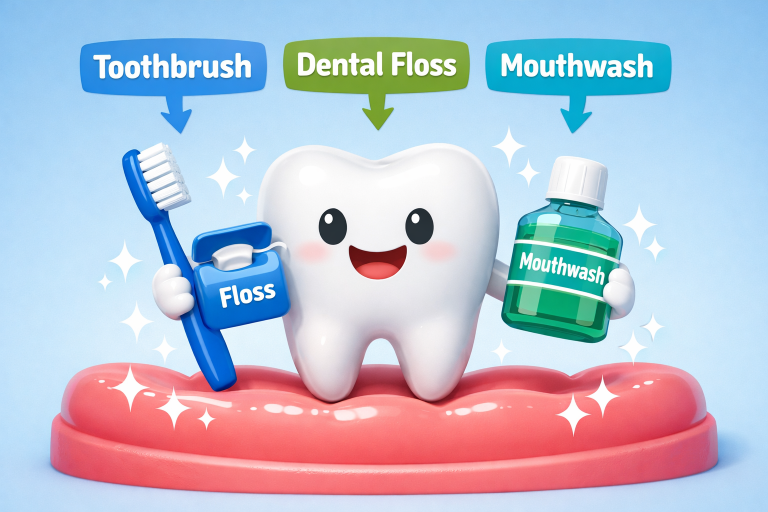
Brushing your teeth thoroughly twice every day is key to removing food debris and plaque. Use a soft-bristled toothbrush to minimize gum tissue abrasion. Place the brush at a 45-degree angle to the gumline and use gentle, circular motions. Make sure to cover all surfaces – the front, back, chewing surfaces, and along the gumline. Using a fluoride toothpaste helps strengthen enamel and prevent tooth decay.
To maintain cleaning efficiency, replace your toothbrush every three to four months, or sooner if you notice fraying bristles. Consider an electric toothbrush for even more effective plaque removal, as many feature built-in timers and ergonomics to reach hard-to-reach areas.
Flossing and Interdental Cleaning
Flossing targets the spaces between your teeth that a toothbrush simply cannot reach. By flossing once daily, you remove trapped food particles and disrupt the growth of plaque below the gumline. It’s important to slide the floss gently between teeth and curve it around each tooth in a C-shape for the best results.
For individuals with larger gaps, orthodontic appliances, or bridges, interdental brushes and soft picks are valuable tools for cleaning hard-to-reach spaces. Consistent interdental cleaning not only prevents cavities in those areas but is also vital for comprehensive gum health, as highlighted in the Mayo Clinic’s oral care guidelines.
Use of Mouthwash
Adding an antiseptic mouthwash to your daily oral care routine can provide extra protection against bacteria that cause plaque and gum infections. Products formulated with chlorhexidine or essential oils can significantly reduce inflammation and s the development of gingivitis. However, mouthwash should complement thorough brushing and flossing, not replace mechanical cleaning.
When selecting a mouthwash, look for one with the American Dental Association (ADA) Seal of Acceptance to ensure it meets safety and efficacy standards. If you are prone to dry mouth or have sensitivities, speak to your dentist about options without alcohol or additional irritants.
Regular Dental Check-ups
Regularly seeing a dentist for check-ups and professional cleaning is an essential part of gum disease prevention. Dentists can identify early symptoms of gum problems and advise you on improving your hygiene routine before the condition worsens. Professional cleanings remove hardened plaque (tartar) that daily brushing and flossing cannot dislodge.
Dentists may also recommend preventive treatments such as fluoride applications or sealants, depending on your individual risk factors. Additionally, they provide crucial education to help you make informed decisions about your oral health while addressing any questions you might have about daily care.
Diet and Lifestyle Factors
Proper nutrition supports gum health by delivering the vitamins and minerals essential for cellular repair and immune defense. Vitamins C and D, as well as calcium and antioxidants, play a significant role in reinforcing gum tissue and preventing inflammation. Reducing your intake of sugary snacks and acidic drinks lowers the risk of cavities and plaque accumulation.
Tobacco use is one of the most significant risk factors for gum disease. Smoking or using smokeless tobacco weakens your gums and makes it harder for them to recover from infections. Managing stress through adequate sleep, exercise, and wellness activities can also help support your body’s ability to fend off infections, since high stress is linked to an impaired immune response in the gums.
Recognizing Early Signs of Gum Disease
Gum disease is most treatable in its earliest stages, so recognizing symptoms early can make all the difference. Watch for gums that bleed easily while brushing or flossing, persistent bad breath, redness, swelling, or a noticeable recession of your gumline. Loose teeth and sensitivity to hot or cold foods can also be warning signs.
If you experience any of these symptoms, schedule a dental visit promptly. Early intervention can prevent progression to advanced periodontitis and the need for more invasive treatments, helping you maintain a confident, healthy smile.
Conclusion
Developing and sticking to a comprehensive daily oral hygiene routine is the simplest and most effective way to prevent gum problems. Through diligent brushing, flossing, mouthwash use, healthy dietary choices, and regular dental visits, you can protect yourself from gum disease and its potential complications. Healthy gums are a cornerstone of overall wellness, making oral care a worthwhile investment in your long-term health.
About the Author