
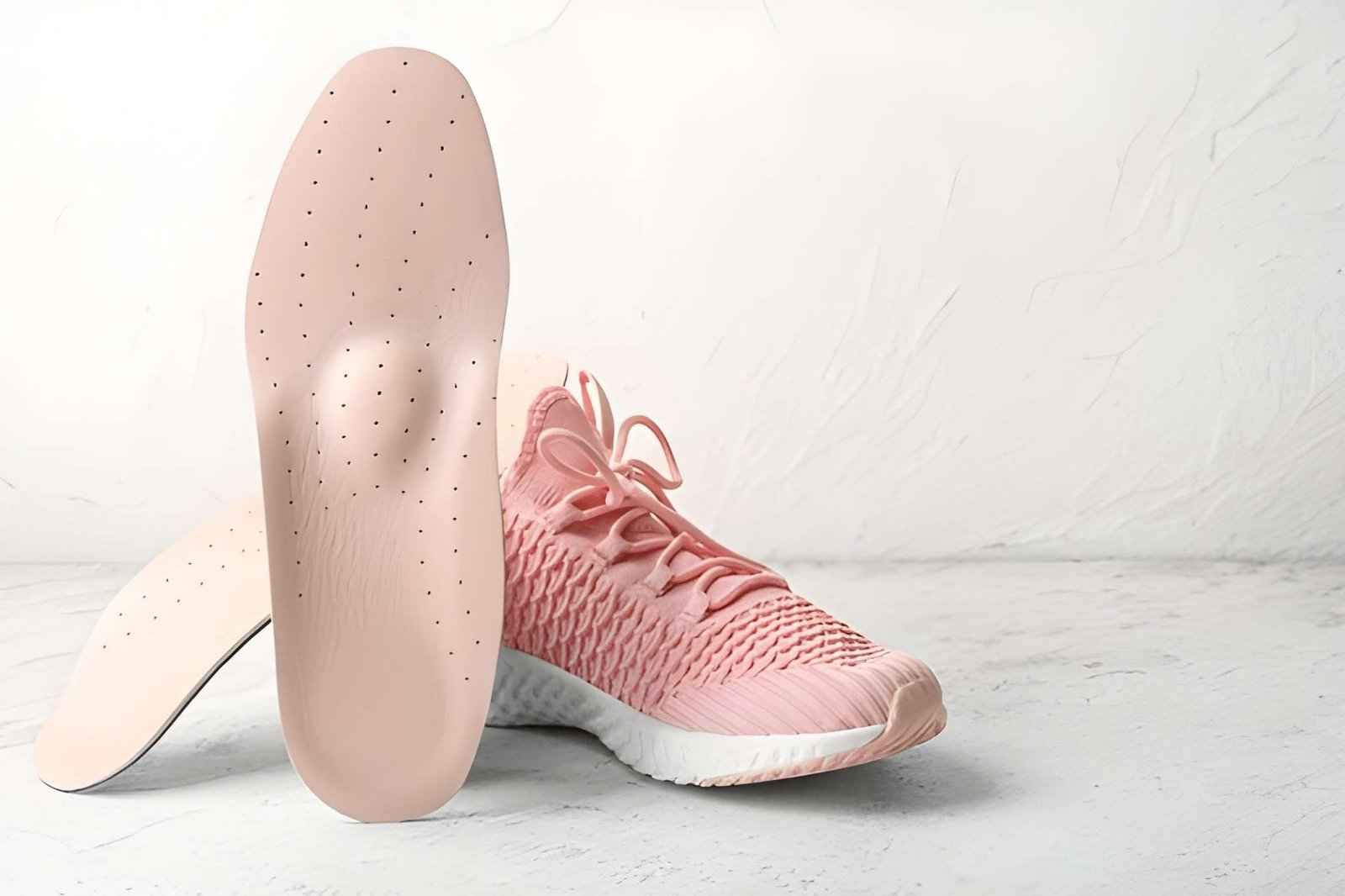
Supportive footwear has had a long-standing reputation problem. For years, many people associated it with bulky silhouettes, stiff materials, limited colours and the kind of shoes chosen out of necessity rather than preference. That perception is increasingly outdated. Today, comfort-led footwear can be refined, elegant and versatile, without sacrificing the structure your feet need to move well through the day.
For women managing foot pain, postural strain, ageing feet, bunions, plantar fasciitis or simply long hours standing, the goal isn’t just relief. It’s confidence. Well-designed orthopedic shoes for women can support healthy movement while still fitting naturally into a modern wardrobe. The best pairs don’t announce themselves as “specialised”. They look intentional, polished and wearable.
Comfort Is a Design Feature, Not a Compromise
A shoe can look beautiful on the shelf but become unwearable after an hour. That’s usually because appearance has been prioritised over function. True footwear quality sits at the intersection of both. Supportive shoes are built around the mechanics of the foot, considering arch support, cushioning, heel stability, toe room and how pressure is distributed with every step.
None of those features need to make a shoe look medical. A cushioned footbed can be hidden inside a sleek loafer. A wider toe box can be shaped elegantly rather than exaggerated. A stable heel counter can sit within a classic ankle boot or dress shoe. When good design is handled properly, support becomes invisible.
This matters because people rarely wear shoes that make them feel self-conscious. The most technically supportive shoe in the world won’t help much if it stays in the cupboard.
Clinical-Looking Shoes Often Miss the Emotional Brief
Footwear isn’t purely practical. It affects how people feel when they leave the house, walk into a meeting, attend an event or dress for dinner. Shoes finish an outfit, but they also influence posture, comfort and mood. When supportive footwear looks too clinical, it can make the wearer feel older, restricted or disconnected from their personal style.
That emotional element shouldn’t be dismissed. People want to feel capable and comfortable, but they also want to feel like themselves. A woman who needs supportive footwear shouldn’t have to choose between pain relief and personal expression.
Modern supportive footwear recognises this. The category now includes elegant flats, structured sandals, smart sneakers, polished boots, dress shoes and everyday styles that work with tailored pants, dresses, denim and workwear. The focus has shifted from hiding a problem to supporting a lifestyle.
The Best Support Starts with Fit
Many uncomfortable shoes fail because they force the foot into an unnatural shape. Narrow toe boxes compress the forefoot. Thin soles offer little shock absorption. Unstable heels change weight distribution. Flat, unsupportive interiors can strain the arch and heel.
Supportive shoes work differently. They give the foot enough space, guide alignment and reduce unnecessary pressure. Good fit also accounts for the fact that feet change over time. Pregnancy, ageing, injury, arthritis, weight fluctuation and daily activity can all affect foot shape and comfort needs.
A well-fitting supportive shoe should feel secure without pinching, cushioned without feeling spongy, and structured without being rigid. It should let the foot move naturally while preventing excess strain. That balance is what makes the shoe wearable all day, not just comfortable for the first few minutes.
Style Has Caught Up with Function
The old assumption that supportive shoes must look plain usually comes from outdated examples. Materials, construction techniques and consumer expectations have changed. People now expect performance in almost every part of their wardrobe. Activewear became streetwear. Technical outerwear became fashion. Footwear has followed the same path.
Supportive shoes can now use premium leather, refined stitching, contemporary soles, seasonal colours and minimalist profiles. A shoe can have a removable footbed, arch support and extra depth while still looking like something chosen for style. The design language has become cleaner and more sophisticated.
This is especially useful for women who move between different settings during the day. A shoe might need to work for commuting, office hours, school drop-off, errands and dinner afterwards. Clinical-looking footwear rarely handles that range well. Stylish supportive footwear does.
Supportive Shoes Can Protect More Than Your Feet
Foot discomfort often creates a chain reaction. When your feet hurt, you may alter your gait without realising it. That can place extra stress on the ankles, knees, hips and lower back. Poor footwear can also contribute to fatigue, especially for people who spend long periods standing or walking.
Better footwear won’t solve every musculoskeletal issue, but it can reduce avoidable strain. A stable sole, supportive arch and cushioned base can help the body move with less compensation. For many people, that means less end-of-day soreness and more willingness to stay active.
That’s where supportive footwear becomes less about limitation and more about freedom. It helps people do more, with less discomfort.
Wardrobe-Friendly Support Is About Versatility
A common mistake is buying one “sensible” pair of shoes and trying to make it work for every outfit. That often leads to frustration. Just as wardrobes need different clothing for different occasions, feet benefit from supportive options across categories.
A structured loafer may suit professional settings. A supportive sandal can work for warm weather. A refined sneaker might cover travel and weekend wear. A low-heeled boot can offer winter polish without sacrificing stability. The goal is to build a small, practical rotation that supports your feet without flattening your style.
Versatility also reduces overuse. Wearing the same pair every day can create repetitive pressure patterns. Rotating shoes gives materials time to recover and allows the feet to experience slight variations in support and movement.
The Future of Supportive Footwear Looks Normal
Perhaps the biggest sign of progress is that good supportive footwear no longer needs to look “orthopaedic” in the old-fashioned sense. It can simply look like a well-made shoe. The support is there, but it’s integrated rather than obvious.
That shift is important. People shouldn’t have to wait until foot pain becomes severe before choosing better shoes. Supportive footwear can be preventative, stylish and completely appropriate for everyday wear. It can suit women who care about design as much as comfort.
The best footwear doesn’t force a trade-off. It respects the foot, supports the body and still looks at home in a considered wardrobe. Clinical-looking shoes may once have been the default, but they’re no longer the standard. Support has become smarter, subtler and far more stylish.
About the Author