Home automation can sound like a major renovation project, but the most useful upgrades often start with ordinary routines: switching lights on, managing heating, checking the front door, or keeping appliances running efficiently. The best place to begin isn’t with the most advanced technology; it’s with the small tasks you repeat every day without thinking.
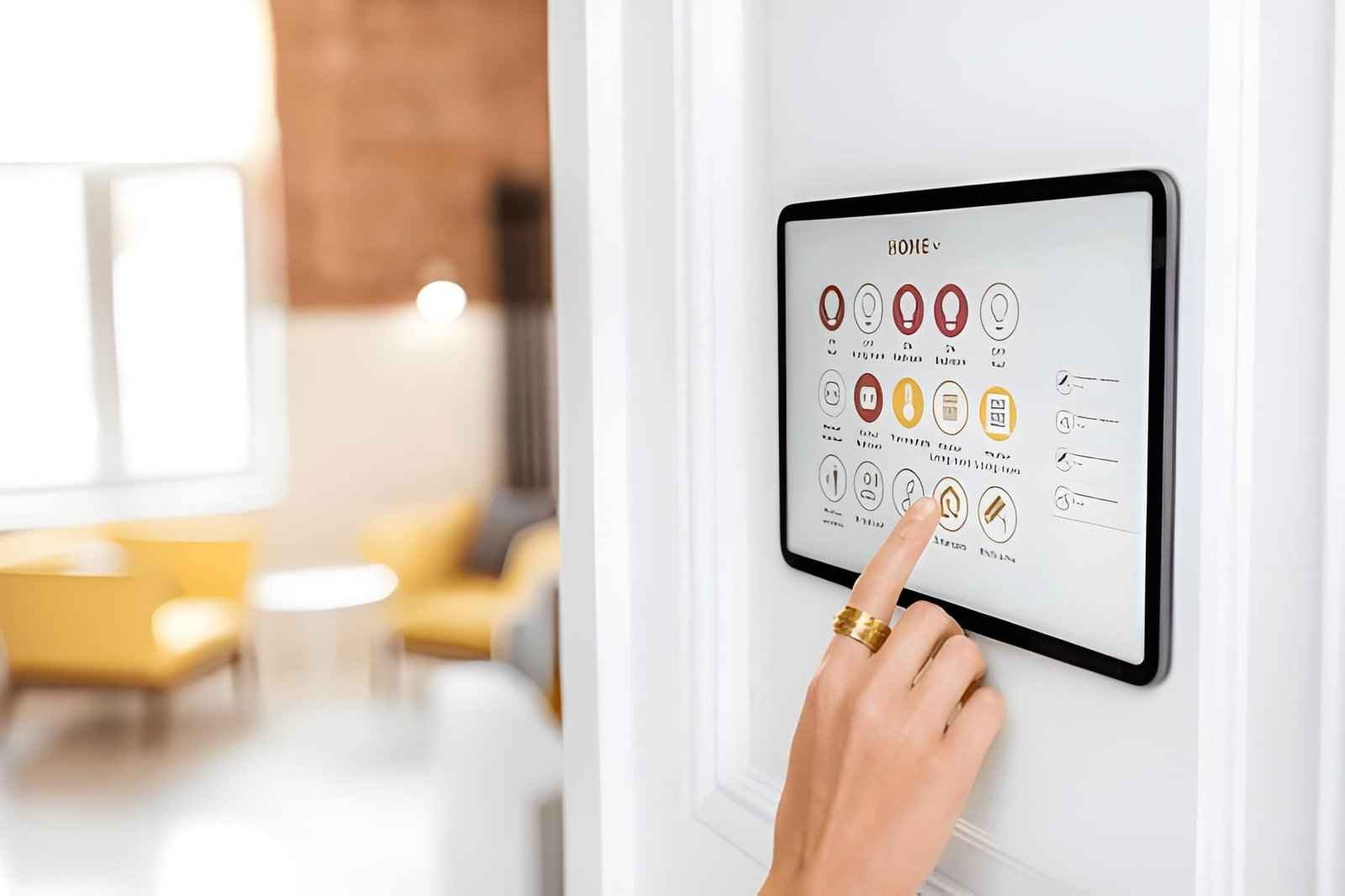
That’s where smart home automation becomes genuinely practical. Used well, it reduces friction in the background rather than making your home feel over-engineered. The goal isn’t to automate everything. It’s to make common routines simpler, safer and more consistent.
Start With Lighting
Lighting is usually the easiest entry point because it’s visible, affordable and immediately useful. Smart bulbs, smart switches and motion sensors can all help remove repetitive actions from your day.
A good first routine is scheduled lighting. Outdoor lights can turn on at dusk and off late at night. Hallway lights can dim after bedtime. Lamps can switch on before you arrive home, making the house feel occupied and welcoming.
Motion-based lighting is another simple win. Bathrooms, laundries, garages, pantries and entryways are ideal places for sensors because people often enter with full hands or forget to switch lights off. Automated lighting can also improve safety at night, especially in stairways and corridors.
Automate Climate Control
Heating and cooling are among the biggest comfort routines in the home, and they’re easy to make smarter without changing how you live. A smart thermostat or connected air conditioning controller can help maintain comfort while reducing unnecessary energy use.
Rather than running heating or cooling all day, you can set routines based on time, occupancy or temperature. For example, the home can warm slightly before you wake up, ease back when everyone leaves, then return to a comfortable setting before evening.
This kind of automation works best when it’s subtle. You shouldn’t have to constantly adjust settings; the system should learn the rhythms of the household and support them.
Make Entry and Security Simpler
Front doors, garage doors and security cameras are natural candidates for early automation because they solve common concerns. Did you lock the door? Did the garage close? Was there a delivery? Smart locks, door sensors and connected cameras can answer those questions quickly.
A basic routine might send a notification when a door is left open too long. Another might turn on entry lights when the front door unlocks after dark. Smart garage controllers can alert you if the garage has been left open, which is useful for both security and peace of mind.
For households with children, visitors or tradespeople, temporary access codes can be especially helpful. They remove the need to hide keys or coordinate handovers, while still giving you control over who can enter and when.
Use Automation for Everyday Appliances
Not every appliance needs to be smart, but some benefit from simple scheduling and remote control. Smart plugs are a practical starting point because they can make existing devices more flexible.
Coffee machines, lamps, heaters, fans, dehumidifiers and chargers are common examples. You can schedule them, monitor usage or switch them off remotely. This is especially useful for devices people worry about after leaving home.
Smart plugs also help identify energy habits. Seeing which devices use power in standby mode can make it easier to reduce waste without changing your whole home setup.
Streamline Morning and Evening Routines
Morning and evening routines are ideal for automation because they happen predictably. Instead of controlling each device separately, you can create a scene that runs several actions at once.
A morning routine might raise blinds, switch on selected lights, start the coffee machine and adjust the temperature. An evening routine might dim living room lights, lock doors, lower blinds and reduce heating or cooling in unused rooms.
The benefit here is consistency. When routines are automated, you’re less likely to forget small tasks. The home gradually starts to support your habits rather than depend on constant manual input.
Improve Laundry and Cleaning Tasks
Laundry and cleaning automation doesn’t need to mean buying every smart appliance available. Even small updates can help.
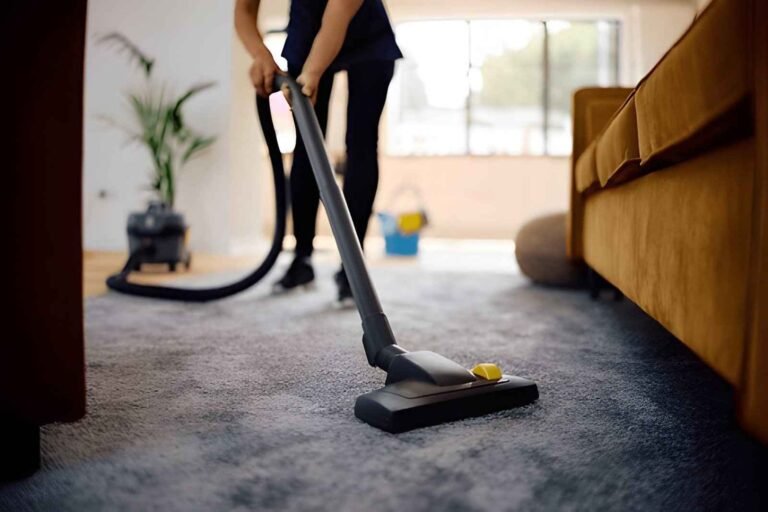
Smart washing machines and dryers can notify you when a cycle finishes, which helps prevent damp clothes sitting too long. Robot vacuums can be scheduled to clean high-traffic areas while you’re out. Leak sensors near washing machines, dishwashers and sinks can alert you early if something goes wrong.
These automations are practical because they deal with problems people commonly miss. A notification, schedule or sensor can prevent inconvenience before it becomes expensive.
Automate Blinds and Curtains Where It Matters
Automated blinds can seem like a luxury, but they’re useful in rooms where light, heat and privacy change throughout the day. Bedrooms, west-facing living areas and street-facing rooms are good places to start.
Blinds can open gradually in the morning, close during peak heat, or shut automatically at sunset. This can improve comfort, protect furnishings from harsh sun and reduce reliance on heating and cooling.
You don’t need to automate every window. Start with the rooms where manual adjustment is most annoying or where sunlight has the biggest impact.
Keep It Simple at First
The easiest automations are the ones that match behaviour you already have. A common mistake is creating complicated routines that require constant tweaking. Good automation should feel almost invisible.
Start with one or two routines, test them for a few weeks, then build from there. Lighting, climate control, entry security and smart plugs usually provide the fastest results because they’re tied to everyday habits.
It also helps to choose compatible products from the beginning. A connected home works best when devices can communicate through a reliable platform, rather than operating as isolated gadgets.
The best home automation doesn’t make daily life feel more technical… it makes it feel calmer
Lights respond when needed, doors are easier to manage, appliances are less wasteful and regular routines become smoother. Start with the tasks you repeat most often. Automate the small frustrations first. Once those systems feel natural, it becomes much easier to decide which upgrades genuinely belong in your home.
About the Author